
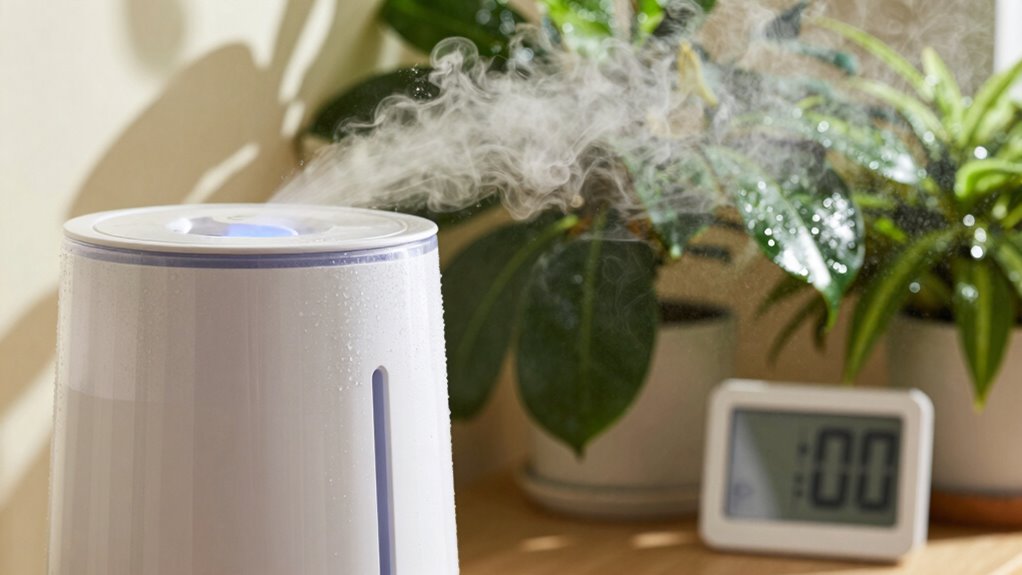

Controlling humidity in your home is more crucial than most realize because it directly impacts your health, belongings, and overall comfort. Too much moisture promotes mold, dust mites, and bacteria, which can worsen allergies and respiratory issues. Dry air causes skin cracks and throat irritation. Proper humidity levels help protect your furniture and prevent structural damage. Staying attentive to humidity could considerably improve your indoor environment—keep going to discover how to maintain the perfect balance.
Key Takeaways
- Proper humidity levels prevent mold growth, protecting indoor air quality and reducing health risks.
- Controlling humidity safeguards wooden furniture and flooring from warping and cracking.
- Balanced humidity minimizes dust mites and allergens, easing allergy and asthma symptoms.
- Maintaining optimal humidity reduces condensation and structural dampness, preventing mold and damage.
- Proper humidity enhances overall comfort and promotes a healthier, more durable home environment.
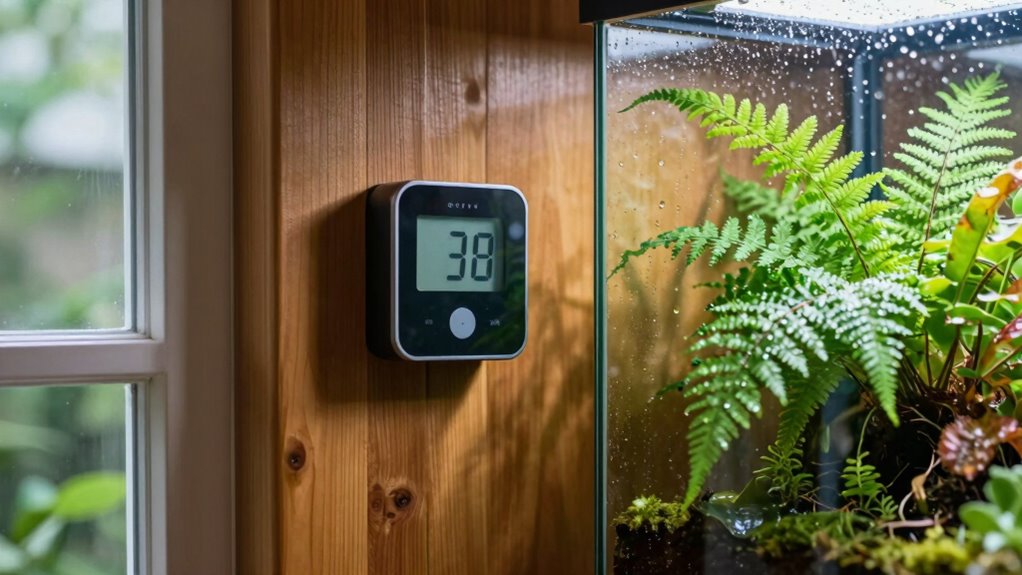
Have you ever wondered how humidity levels affect your home and health? Maintaining the right humidity isn’t just about comfort; it plays a crucial role in indoor air quality and mold prevention. When humidity is too high, it creates the perfect environment for mold growth, dust mites, and bacteria. These microbes can worsen allergies, asthma, and other respiratory issues, making your home less healthy. Conversely, if the air becomes too dry, your skin may crack, your throat can become irritated, and wooden furniture or flooring might suffer from warping or cracking. That’s why controlling humidity isn’t just about feeling comfortable—it’s about safeguarding your health and preserving your home. Proper humidity levels also help in controlling household pests, which are attracted to certain moisture levels.
Proper humidity levels improve indoor air quality by reducing airborne pollutants and allergens. When the air is too moist, it traps dust, mold spores, and other irritants, increasing their concentration in the air you breathe. This can exacerbate allergy symptoms and respiratory problems, especially if you’re sensitive to mold or dust mites. Maintaining balanced humidity can also prevent the growth of mold, which thrives in moist environments and can be difficult to eliminate once established. Additionally, airborne contaminants tend to settle more easily in environments with appropriate humidity levels, further enhancing indoor air quality. Controlling humidity also influences microplastics in dust, as drier environments help dust particles settle more quickly, reducing inhalation risks. Proper humidity management can also reduce condensation and dampness, which are common causes of mold and structural damage. By maintaining a balanced humidity level, you help ensure that the air remains cleaner and healthier. You also reduce the need for frequent cleaning since mold and dust settle more easily in drier environments. Effective humidity control creates a more breathable, contaminant-free atmosphere, which is especially vital during allergy season or in homes with vulnerable occupants like children or elderly individuals.
Products Worth Considering

LEVOIT Vital 200S-P Smart Air Purifier for Large Rooms

Withings Body Scan Smart Scale with Segmental Body Composition and ECG, Black

Bowflex SelectTech 840 Adjustable Kettlebell
As an affiliate, we earn on qualifying purchases.
Frequently Asked Questions
How Does Humidity Affect Indoor Air Quality?
Humidity directly impacts indoor air quality by encouraging mold growth and causing furniture damage when levels are too high. When humidity is too low, it can lead to dry skin and respiratory discomfort. By controlling humidity, you prevent mold spores from thriving, protect your furniture from warping, and maintain a healthier environment. Proper humidity management keeps your indoor air clean, comfortable, and safe for everyone in your space.
What Are the Health Risks of Improper Humidity Levels?
Improper humidity levels can cause health issues like allergies, asthma, and respiratory infections. You might believe humidity myths that high levels are always better, but excess moisture promotes mold growth, risking mold-related illnesses. To prevent mold and protect your health, keep humidity between 30-50%. Proper humidity control is essential for mold prevention and maintaining a healthy indoor environment, reducing the chances of respiratory problems and allergies.
Can Humidity Control Reduce Energy Bills?
Yes, controlling humidity can reduce your energy bills. When you use energy-efficient ventilation combined with smart humidity sensors, you optimize your indoor climate without overusing your HVAC system. These sensors detect moisture levels and adjust ventilation accordingly, preventing unnecessary heating or cooling. As a result, you save energy, cut costs, and maintain a comfortable environment. Proper humidity management guarantees your system works efficiently, lowering your overall energy consumption.
Which Devices Are Best for Maintaining Ideal Humidity?
You should consider smart sensors and portable dehumidifiers for maintaining ideal humidity. Smart sensors monitor moisture levels in real-time, allowing you to adjust settings easily, ensuring comfort and preventing mold. Portable dehumidifiers are versatile, effective, and easy to move around your space. Together, these devices provide precise humidity control, improve air quality, and help protect your home and health, making them the best choices for maintaining perfect indoor moisture levels.
How Often Should Humidity Levels Be Checked?
You should check humidity levels at least once a week using reliable humidity sensors. Regular monitoring helps you stay on top of fluctuations and guarantees your device’s maintenance schedules are effective. If you notice significant changes, increase the frequency of checks to prevent issues like mold or dry air. Consistent measurements allow you to adjust your humidifier or dehumidifier promptly, maintaining ideal comfort and protection for your space.
Conclusion
Controlling humidity isn’t just about comfort; it’s about protecting your home, safeguarding your health, and preserving your belongings. It’s about preventing mold and dust, reducing allergens and bacteria, and maintaining furniture and electronics. When you manage humidity effectively, you create a healthier environment, a safer space, and a more comfortable life. So don’t overlook it—control it, monitor it, optimize it. Because when humidity is in check, everything else falls into place.
Popular right now

LG S90TR 7.1.3‑Channel OLED Evo TV Matching Home Theater Soundbar (Black)

De'Longhi Classic Signature Espresso Machine with Adjustable Milk Frother

Shark HydroVac Reveal Cordless Wet-Dry Vacuum and Mop, Lilac, WD321
As an affiliate, we earn on qualifying purchases.