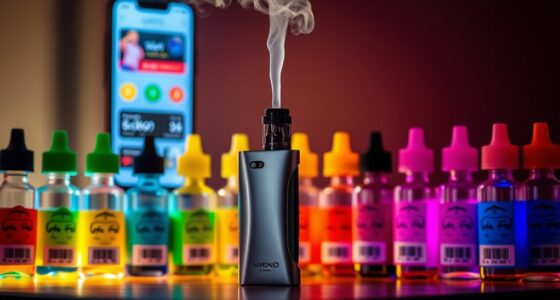
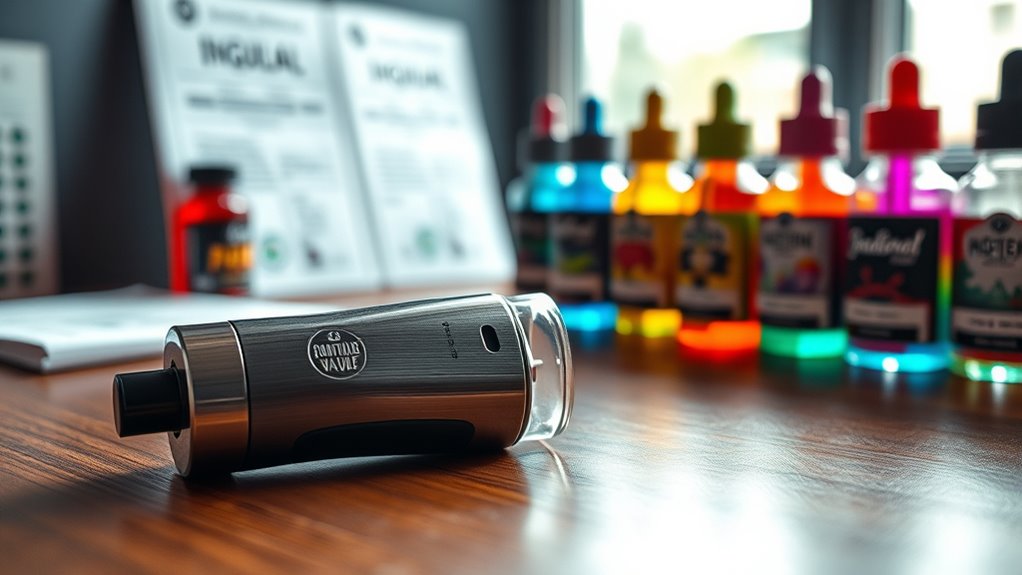

Regulations drive innovation in the vaping industry by pushing you to rethink product design and safety features. Compliance leads to investments in research and development, resulting in advanced technologies like temperature control and short-circuit protection. As you adapt to evolving consumer demands and new flavor profiles, your ability to meet regulatory challenges fosters creativity. Embracing these rules can open opportunities for growth and innovation, offering insights into the future of this dynamic market.
Key Takeaways
- Regulations drive companies to innovate, resulting in improved vape devices that enhance user experience and safety features.
- Safety standards compel investment in research and development, leading to advancements like temperature control and short-circuit protection in vape technology.
- Regulatory changes prompt businesses to adapt quickly, fostering creativity in product development and new flavor profiles to meet consumer demands.
- Industry collaboration spurred by regulations leads to shared insights, resulting in standardized safety testing and enhanced product reliability.
- Embracing regulatory challenges creates opportunities for innovation, ultimately boosting consumer confidence through transparency and adherence to safety standards.
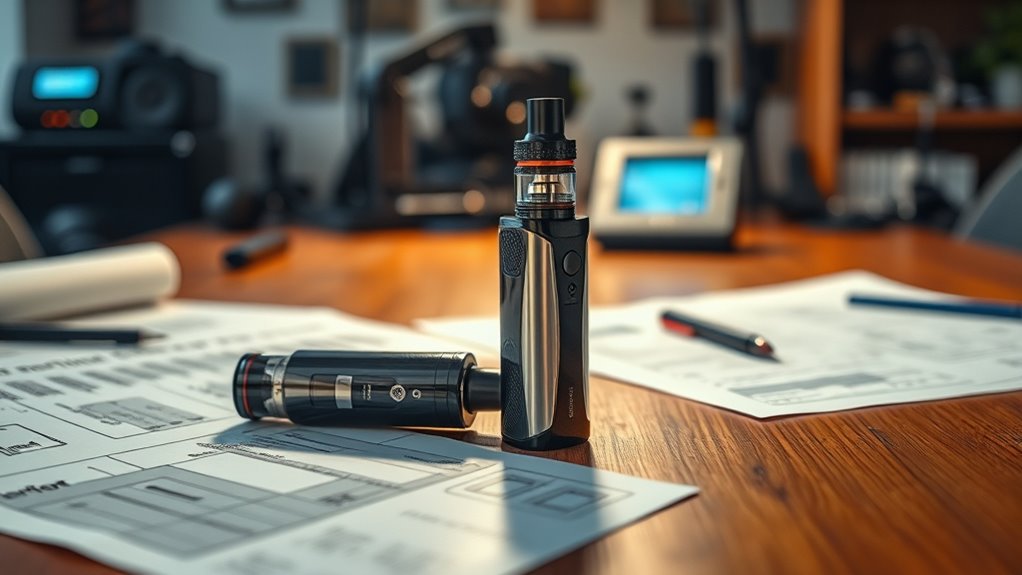
How can regulations spark creativity in industries? It might seem counterintuitive, but rules can actually drive innovation, especially in sectors like vaping. When you look at the vaping industry, regulations force companies to rethink their products and processes, resulting in improvements that benefit both consumers and the market as a whole. By setting standards, regulations challenge manufacturers to adapt and innovate, leading to groundbreaking advancements.
Consider the necessity for safety enhancements. Regulations often require companies to guarantee their products are safe for consumers. This pushes manufacturers to invest in research and development, leading to new technologies and materials that enhance product safety. For example, you might notice that modern vape devices are equipped with features like temperature control and short-circuit protection. These innovations not only comply with regulations but also improve user experience, making vaping safer and more enjoyable.
Market adaptation also plays an essential role in this process. When regulations change, businesses need to pivot quickly to stay competitive. This necessity encourages creativity. For instance, if a new regulation limits the amount of nicotine in e-liquids, companies might respond by developing unique flavor profiles to attract customers who are looking for alternatives. This kind of market adaptation fosters a culture of innovation where companies are constantly looking for new ways to meet consumer demands while adhering to guidelines.
Moreover, regulations can stimulate collaboration within the industry. When businesses face the same challenges due to new rules, they often share insights and strategies. This collective problem-solving can lead to innovations that wouldn’t have emerged in a more isolated environment. You might see companies teaming up to develop standardized testing methods for product safety, creating a more robust industry-wide framework.
The end result is a more dynamic market that responds to both consumer needs and regulatory demands. As companies innovate to comply with regulations, they often find themselves creating better products that resonate with users. Instead of viewing regulations as obstacles, you can see them as catalysts for creativity. When you embrace the challenge, you’re likely to discover opportunities that lead to significant advancements in vaping technology. Additionally, trust issues may arise as companies navigate the complexities of compliance, highlighting the importance of transparency in fostering consumer confidence.

FOGGING FUN 110V PID Temperature Controller Kit with Accessories
✅ Removable & Replaceable Power Cord & Heating Coil – Designed for convenience and flexibility, the power cord…
As an affiliate, we earn on qualifying purchases.
As an affiliate, we earn on qualifying purchases.
Frequently Asked Questions
How Do Regulations Affect Vape Product Pricing?
Regulations substantially affect vape product pricing by introducing tax implications that can raise costs for manufacturers and consumers. When taxes increase, companies often pass these costs onto you, leading to higher prices. Additionally, regulations shape market competition; if some brands comply while others don’t, the playing field can shift. This can either drive prices down through competition or push them up if fewer options are available for you to choose from.
What Are the Health Impacts of Regulated Versus Unregulated Vapes?
When it comes to health impacts, you’ve got to know that regulated vapes often provide better ingredient transparency and flavor diversity. Regulations guarantee that manufacturers disclose what’s in their products, reducing the risk of harmful substances. Unregulated vapes, on the other hand, can be a wild card, as they might contain unknown ingredients that could pose serious health risks. So, choosing regulated options helps you play it safe and enjoy a wider range of flavors.
Can Regulations Stifle Creativity in Vape Product Development?
Yes, regulations can stifle creativity in vape product development by creating innovation barriers. When strict rules are in place, you might find it harder to experiment with new designs or ingredients. However, regulatory flexibility can sometimes encourage innovation by providing a framework within which you can safely explore new ideas. Balancing these factors is vital for fostering both safety and creativity in the vaping industry.
How Do Consumers Influence Vape Regulations?
Consumers play a vital role in shaping vape regulations through consumer advocacy and demands for market transparency. When you voice your concerns about safety or product quality, regulators take notice. Your feedback can lead to stricter standards or new guidelines that protect public health. By participating in discussions and supporting transparency, you help guarantee that the products you use are safer and more reliable, ultimately influencing the direction of the vape industry.
What Role Do International Regulations Play in Local Vape Markets?
International regulations shape local vape markets by establishing cross border policies that dictate what products can be sold. When you navigate these rules, you might face compliance challenges, especially if local laws differ markedly from international standards. By understanding these regulations, you can better position yourself in the market. Adapting to international guidelines can also enhance product safety and quality, ultimately benefiting both you and your customers in the long run.
![Vape Mod Carrying Bag with Straps, Vapor Case For Box Mod, Tank, E-juice, Battery - Best Vape Portable Travel to Keep Your Vape Accessories Organized [CASE ONLY]](https://m.media-amazon.com/images/I/51-MLMuMoHL._SL500_.jpg)
Vape Mod Carrying Bag with Straps, Vapor Case For Box Mod, Tank, E-juice, Battery – Best Vape Portable Travel to Keep Your Vape Accessories Organized [CASE ONLY]
KEEP IT HANDY – Wick and Wire portable vape organizer can be clipped onto a belt loop or…
As an affiliate, we earn on qualifying purchases.
As an affiliate, we earn on qualifying purchases.
Conclusion
In a world where innovation thrives on rules, it’s fascinating to note that 80% of vape users prefer products that meet stringent safety standards. Regulations don’t just restrict; they inspire companies to create better, safer, and more enjoyable vaping experiences. By embracing these guidelines, the industry can push boundaries and enhance user satisfaction while prioritizing health. So, next time you reach for a vape, remember that those rules are driving innovation for a better tomorrow.

510 Vape Pen Travel Case with Vertical Storage and Hard Exterior
Holds 5x 510 carts
As an affiliate, we earn on qualifying purchases.
As an affiliate, we earn on qualifying purchases.
regulated e-cigarette device
As an affiliate, we earn on qualifying purchases.
As an affiliate, we earn on qualifying purchases.