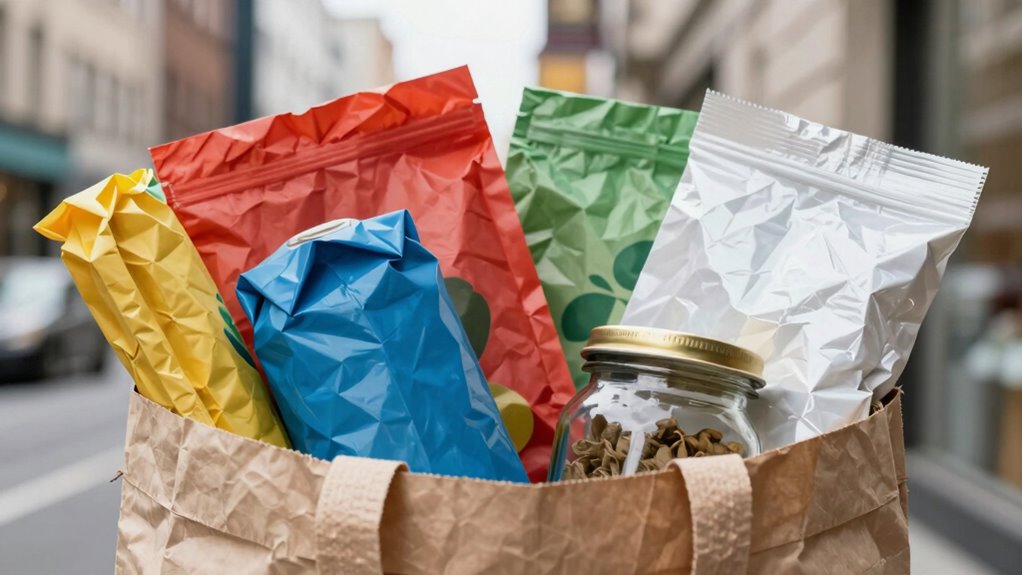

Recyclable packaging is gaining importance because you can help reduce environmental harm and save natural resources. Companies are now more aware of your preferences for eco-friendly options, leading to innovations in biodegradable and recycled materials. Your recycling habits impact the entire lifecycle of packaging, encouraging better practices. Plus, government policies and community efforts support this shift. If you want to learn how your choices can make a difference, keep exploring the benefits and changes happening around you.
Key Takeaways
- Growing environmental awareness drives demand for eco-friendly packaging solutions.
- Consumer preferences influence companies to adopt recyclable materials and sustainable practices.
- Advances in biodegradable and compostable materials make recycling more viable and appealing.
- Regulations and policies increasingly favor recyclable packaging to reduce waste and environmental impact.
- Recyclable packaging supports a circular economy, conserving resources and lowering carbon emissions.
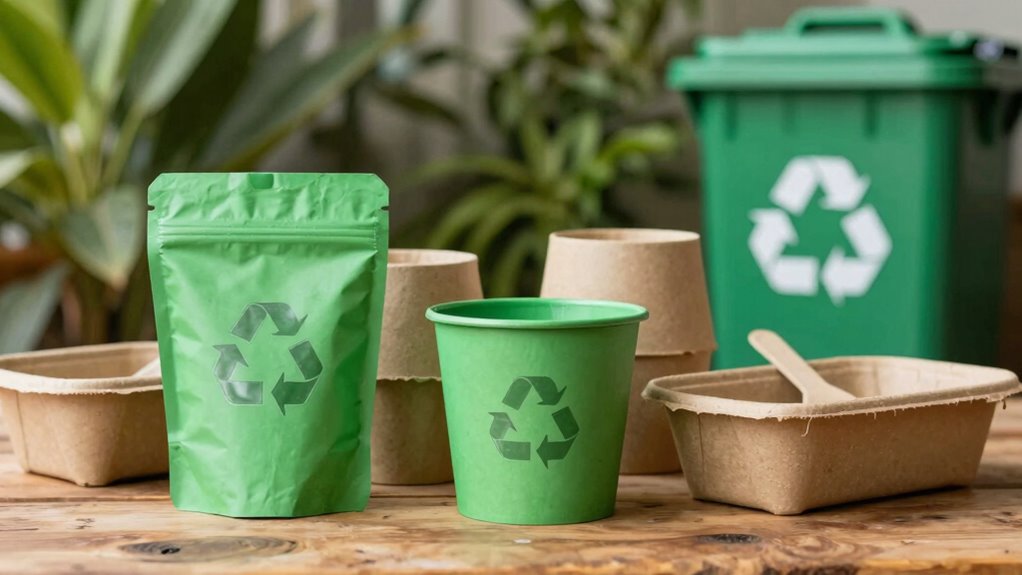
Recyclable packaging plays an essential role in reducing environmental impact and conserving natural resources. As awareness about climate change and pollution grows, more people like you are recognizing the importance of making eco-friendly choices. This shift is driven by innovations in sustainable materials, which aim to replace traditional packaging that harms the planet. Companies are investing in sustainable material innovations such as biodegradable plastics, recycled paper, and compostable containers, making it easier for you to select packaging that minimizes waste. These advances not only help reduce landfill overflow but also lower the extraction of raw materials like petroleum and trees, preserving ecosystems and reducing carbon emissions.
Your consumer recycling habits are pivotal in this movement. When you actively recycle, you contribute to a circular economy where packaging materials are reused and repurposed, rather than ending up in landfills or oceans. It’s not just about throwing items into the right bin; it’s about understanding how your choices impact the entire lifecycle of packaging. As companies design more recyclable packaging, they depend on consumers like you to follow through with proper recycling practices. Clear labeling, accessible recycling stations, and education campaigns are making it easier for you to participate effectively. The more consistent your recycling habits become, the more manufacturers are encouraged to develop packaging that is genuinely recyclable and sustainable.
Furthermore, your preferences are shaping the industry’s future. When you prioritize products with recyclable packaging, companies respond by adopting sustainable material innovations that meet your expectations. This consumer-driven demand accelerates the development of eco-friendly packaging solutions that are not only functional but also environmentally responsible. Your buying choices send a strong message that sustainability matters, prompting brands to invest in research and development of packaging that aligns with your values.
In addition, your engagement with recycling influences broader societal changes. Communities are establishing better recycling infrastructure, and policymakers are creating stricter regulations on packaging waste. Your participation reinforces these initiatives, making sustainable practices more widespread and accessible. As awareness increases, so does the pressure on manufacturers to innovate and improve their packaging. Your role as an informed consumer is essential—your habits, preferences, and advocacy help shape a more sustainable future. Additionally, advancements in fabric technology and sustainable textile care are demonstrating how innovative materials can further reduce environmental impact. Understanding the importance of recycling systems is crucial in this effort, as it ensures the proper processing of recyclable materials. This interconnected approach highlights the importance of recyclable packaging in creating a healthier planet, especially as the use of biodegradable materials continues to grow. Ultimately, recyclable packaging isn’t just a trend; it’s a fundamental part of a collective effort to protect the environment for generations to come.
biodegradable food storage containers
As an affiliate, we earn on qualifying purchases.
As an affiliate, we earn on qualifying purchases.
Frequently Asked Questions
How Does Recyclable Packaging Impact Product Shelf Life?
Recyclable packaging can positively impact your product’s shelf life by enhancing packaging preservation. When designed properly, it protects against moisture, oxygen, and contaminants, helping maintain freshness longer. This improved barrier helps extend shelf longevity, reducing spoilage and waste. Plus, eco-friendly materials often have better sealing properties, ensuring your products stay in ideal condition throughout their lifespan, benefiting both your business and environmentally conscious consumers.
Are There Cost Differences Between Recyclable and Non-Recyclable Packaging?
Recyclable packaging often costs more upfront, but it can lead to significant cost savings in the long run through reduced waste disposal fees and enhanced consumer perception. Think of it as planting a seed for goodwill—customers appreciate your eco-conscious efforts, boosting your brand image. While non-recyclable options may seem cheaper initially, the growing demand for sustainable products makes recyclable packaging a smarter investment for your business.
What Materials Are Most Commonly Used in Recyclable Packaging?
You’ll find that recyclable packaging most often uses materials like paper, cardboard, and certain plastics, which balance durability with recyclability. These materials often feature clear recycling symbols, making it easy for you to identify recyclable items. While durable enough for shipping and storage, they’re designed to break down and be reused efficiently. This combination of material durability and recognizable symbols encourages responsible disposal and supports environmental sustainability.
How Can Consumers Identify Truly Recyclable Packaging?
You can identify truly recyclable packaging by checking for clear recycling symbols, such as the Mobius loop, and ensuring they’re prominently displayed. Look for biodegradability labels that confirm the material breaks down safely over time. Avoid packaging without these indicators, as they may not be recyclable. Educate yourself on local recycling guidelines, since symbols and labels can vary by region, helping you make eco-friendly choices consistently.
What Are the Challenges in Scaling Recyclable Packaging Production?
Scaling recyclable packaging production faces challenges like supply chain complexities and material consistency. You might find it difficult to secure a steady supply of sustainable materials, as disruptions can slow down manufacturing. Additionally, maintaining uniform quality across batches is tough, which can impact recyclability and consumer trust. Overcoming these hurdles requires better coordination with suppliers and standardizing materials, but it’s essential for expanding eco-friendly packaging options.
As an affiliate, we earn on qualifying purchases.
Conclusion
As you can see, recyclable packaging isn’t just a trend—it’s a crucial shift toward sustainability. Did you know that approximately 91% of plastic isn’t recycled, ending up in oceans and landfills? By choosing recyclable options, you’re helping reduce waste and protect the environment. Every small effort counts, and your choice to support recyclable packaging can make a big difference. Join the movement and make sustainable decisions part of your everyday life.
As an affiliate, we earn on qualifying purchases.
As an affiliate, we earn on qualifying purchases.
Fall Picks
fall essentials
As an affiliate, we earn on qualifying purchases.