

Air, storage, and safety form a strong topical cluster because they work together to protect your environment, workers, and products. Proper air filtration reduces harmful particles, while effective storage controls prevent contamination and accidents. Safety standards guide you in integrating these systems seamlessly, creating a safer workplace. When combined, these elements prevent hazards before they happen and improve efficiency. Keep exploring to understand how these systems can work even better together for your safety.
Key Takeaways
- They integrate to create a comprehensive safety system, addressing air quality, contamination, and hazard prevention collectively.
- Proper synchronization enhances operational efficiency and reduces risks of accidents and environmental hazards.
- Overlapping functions like vapor control and contamination prevention strengthen overall safety and compliance.
- Combining these systems fosters proactive hazard management, preventing issues before they develop.
- Their interconnectedness supports a holistic approach, improving safety culture and regulatory adherence across facilities.
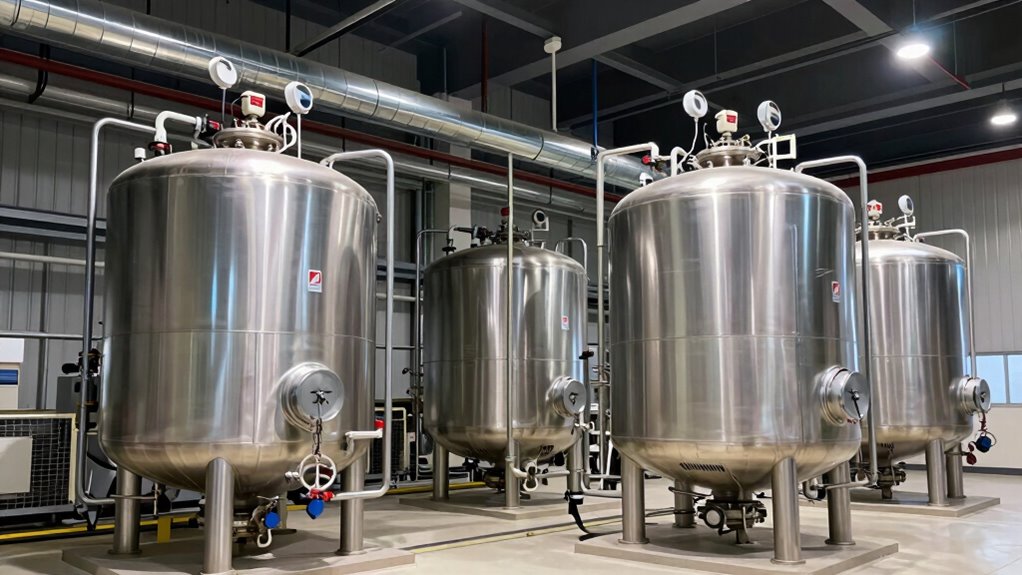
Have you ever wondered how industries guarantee air quality, safe storage, and overall safety standards? It all comes down to how well they manage the interconnected systems of air filtration, storage management, and safety protocols. These elements form a strong topical cluster because they work together to create a safe, efficient environment that protects both workers and products. Air filtration plays an essential role in maintaining healthy indoor air by removing dust, fumes, and harmful particles. It assures that the air circulating within facilities remains clean, reducing health risks and improving overall well-being. When air quality is compromised, it can lead to health issues, decreased productivity, and even regulatory violations. That’s why industries invest heavily in advanced air filtration systems, which seamlessly integrate with other safety measures. Proper system integration ensures these components work harmoniously to maximize safety and efficiency. Additionally, regular maintenance and monitoring of these systems are crucial for sustained performance.
Storage management is equally indispensable. Proper storage isn’t just about organizing materials; it’s about controlling environmental conditions, preventing contamination, and guaranteeing accessibility. Effective storage management reduces waste, minimizes accidents, and maintains the integrity of sensitive goods. It involves a strategic approach to shelving, labeling, and environmental controls such as temperature and humidity regulation. When storage is optimized, you lessen the chances of spoilage, chemical reactions, or damage, which can compromise safety and product quality. Storage management and air filtration often overlap, especially in facilities handling hazardous substances or perishable goods. Maintaining the right airflow and filtration can prevent the buildup of harmful vapors or mold, protecting both stored items and personnel. Proper storage techniques are essential to support these interconnected safety systems. Moreover, advancements in storage technology continue to improve the accuracy and safety of storage practices, ensuring compliance with industry standards.
Safety standards are the backbone that ties these systems together. They set the guidelines for implementing air filtration and storage management practices. Adhering to safety standards assures that all safety measures are consistently applied, reducing risk and promoting compliance with regulations. It’s about creating a safety culture where proactive measures are prioritized, and potential hazards are addressed before they become problems. When air filtration, storage management, and safety protocols work in harmony, they form a resilient shield against accidents, contamination, and health hazards. This synergy not only safeguards employees and products but also enhances operational efficiency. Moreover, ongoing employee training and adherence to safety protocols are vital for maintaining this integrated approach.
In essence, air, storage, and safety are interconnected components of a holistic safety strategy. They reinforce each other, making the whole system stronger and more reliable. Recognizing this relationship helps industries develop smarter, more integrated solutions that prevent problems before they happen. When you understand how these elements function together, it becomes clear why they’re part of a unified approach to safety and quality assurance. This unified approach ultimately benefits everyone involved—workers, management, and consumers—by creating safer, cleaner, and more efficient environments.
HEPA air filtration system for industrial use
As an affiliate, we earn on qualifying purchases.
As an affiliate, we earn on qualifying purchases.
Frequently Asked Questions
How Do Air, Storage, and Safety Interconnect in Real-World Applications?
In real-world applications, air, storage, and safety interconnect through maintaining air quality, which directly impacts storage solutions and overall safety. You guarantee proper ventilation and climate control to prevent hazards like mold or chemical build-up. Good air quality safeguards personnel and stored items, while effective storage solutions prevent accidents. This interconnected approach creates a safer environment, protecting both people and assets by addressing air, storage, and safety as a cohesive system.
What Are the Latest Innovations Improving These Three Areas?
You’ll find that recent innovations focus on enhancing air quality and optimizing storage solutions. Advanced filtration systems, like HEPA filters, improve air quality by removing pollutants. Smart storage solutions utilize IoT technology for better inventory management and safety. Additionally, real-time monitoring devices alert you to potential hazards, seamlessly integrating air, storage, and safety measures. These developments make your environment safer, more efficient, and healthier.
How Do Regulations Influence Air, Storage, and Safety Practices?
Regulations heavily influence your air, storage, and safety practices by enforcing strict compliance standards. You must follow safety protocols to guarantee regulatory compliance, which helps prevent accidents and legal issues. These rules guide how you handle, store, and manage materials safely and efficiently. By adhering to regulations, you protect your team, reduce risks, and maintain operational integrity, making safety and compliance an integral part of your daily practices.
What Challenges Are Faced When Integrating These Topics?
Think of integrating air, storage, and safety as fitting puzzle pieces—challenging yet rewarding. You face hurdles like maintaining air quality standards while ensuring storage efficiency, all within strict regulations. Balancing these factors can feel like walking a tightrope, where small missteps threaten safety and compliance. The challenge lies in designing systems that optimize air quality, maximize storage efficiency, and uphold safety, all without compromising one for the other.
How Do These Topics Impact Environmental Sustainability Efforts?
You influence environmental sustainability efforts by understanding that proper air management, storage, and safety reduce emissions and prevent accidents. These practices support renewable energy initiatives and waste reduction, helping to minimize environmental impact. By prioritizing safe storage of materials and efficient air systems, you contribute to cleaner air quality and resource conservation, making your operations more sustainable. Your actions directly promote a healthier planet and long-term environmental resilience.
hazardous materials storage cabinets
As an affiliate, we earn on qualifying purchases.
As an affiliate, we earn on qualifying purchases.
Conclusion
Remember, a chain is only as strong as its weakest link. By understanding how air, storage, and safety interconnect, you build a resilient system that protects your assets and guarantees smooth operations. Don’t overlook the importance of each element—invest in proper air quality, secure storage, and safety protocols. When you prioritize these, you’re not just avoiding risks; you’re creating a foundation that lasts. Stay vigilant, because safety isn’t just a policy—it’s a mindset.
industrial safety and environmental monitoring systems
As an affiliate, we earn on qualifying purchases.
As an affiliate, we earn on qualifying purchases.
air quality sensors for workplaces
As an affiliate, we earn on qualifying purchases.
As an affiliate, we earn on qualifying purchases.
Columbus Day / Indigenous Peoples' Day Picks
long weekend sales
As an affiliate, we earn on qualifying purchases.