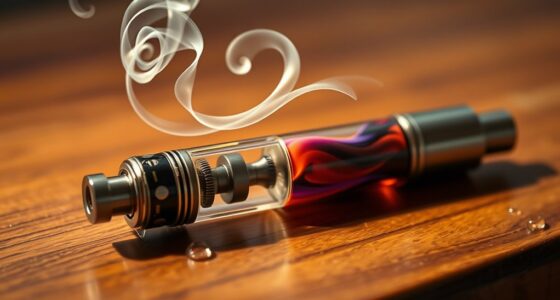
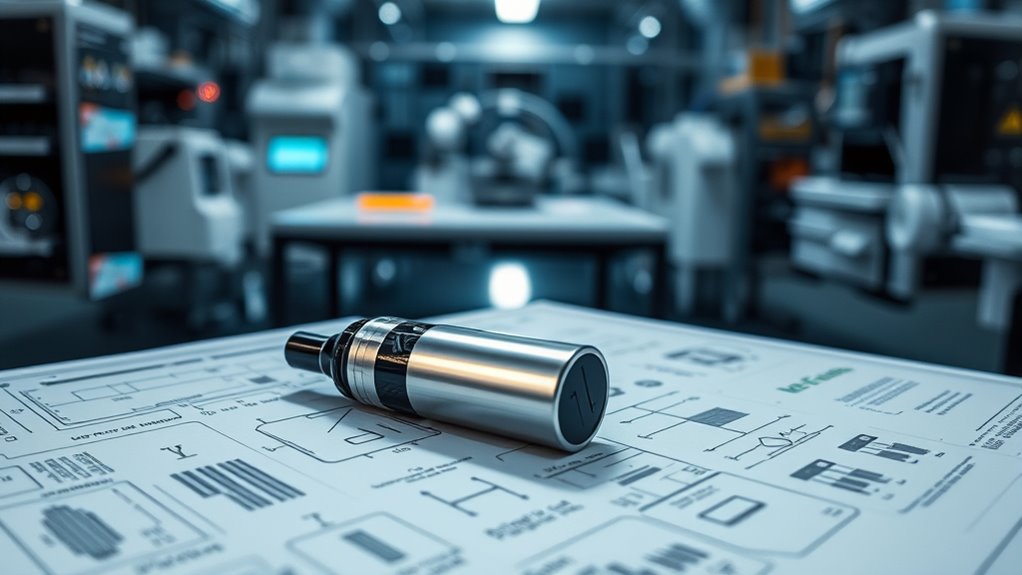

When designing regulation-compliant vapes for 2025, you’ll need to prioritize safety features and adhere to evolving standards. Focus on incorporating robust battery safety measures like overcharge protection and temperature regulation. It’s essential to adapt to flavor restrictions by using natural ingredients while avoiding harmful additives. Balancing compliance with flavor diversity is key to satisfying user preferences without compromising health. Discover how innovative design can help you navigate these challenges and stay ahead in the vaping industry.
Key Takeaways
- Implement robust battery safety features, including overcharge protection and temperature regulation, to comply with evolving safety standards by 2025.
- Monitor regulatory changes regarding flavor restrictions to ensure compliance while maintaining a diverse range of user-satisfying flavors.
- Utilize natural ingredients and eliminate harmful additives to meet health standards while providing appealing flavor options for consumers.
- Design vapes with a focus on user safety to foster confidence and align with anticipated regulatory requirements for device reliability.
- Stay informed about industry trends and regulatory updates to adapt product designs and ensure compliance with future vaping standards.

As vaping continues to grow in popularity, it’s vital for manufacturers to design regulation-compliant vapes that prioritize both safety and user experience. You want to enjoy your vaping experience without worrying about the risks associated with poorly designed products. One critical aspect that manufacturers must focus on is battery safety. With the increasing number of devices on the market, ensuring that batteries are reliable and safe is a top priority. You wouldn’t want to deal with battery malfunctions that could lead to overheating or even explosions.
As vaping popularity rises, manufacturers must prioritize safety and battery reliability to enhance your experience without risks.
To avoid these dangers, manufacturers should implement robust safety features in their designs. This might include overcharge protection, temperature regulation, and short-circuit prevention. By focusing on battery safety, you can feel more secure when using your vape, knowing that the device has been engineered with your safety in mind.
Another area that’s gaining attention is flavor restrictions. As regulations tighten, you might notice that some flavors are being banned due to concerns about youth appeal and health impacts. It’s imperative for manufacturers to adapt to these changes while still providing a satisfying vaping experience for adult users like you. The challenge lies in balancing compliance with creativity. You want a range of flavors that enhances your experience without compromising the regulations that aim to protect public health.
Incorporating natural ingredients and avoiding harmful additives can help manufacturers meet flavor requirements while keeping your preferences in mind. This way, you can still enjoy a variety of flavors that don’t just taste good but also align with the growing regulations. For instance, just as grapes are toxic to dogs, manufacturers should avoid harmful ingredients that could pose health risks to users.
Moreover, staying informed about the evolving landscape of vaping regulations is vital for both manufacturers and users. As laws change and new standards emerge, you should expect a continuous evolution in product designs. Your preferences may shift as new flavors and safer devices hit the market, allowing you to explore your vaping journey with peace of mind.
Ultimately, the responsibility lies with manufacturers to create products that not only comply with regulations but also enhance your experience. By prioritizing battery safety and adapting to flavor restrictions, the vaping industry can ensure that you enjoy a safe, satisfying, and regulated product. Embracing these changes will lead to a responsible vaping culture that benefits everyone involved.
Top picks for "design regulation compliant"
Open Amazon search results for this keyword.
As an affiliate, we earn on qualifying purchases.
Frequently Asked Questions
What Are the Health Risks Associated With Vaping?
Vaping poses several health risks you should be aware of. The most significant concern is nicotine addiction, which can lead to increased dependence on tobacco products. Additionally, vaping can harm your lung health, potentially causing respiratory issues and reducing lung function. While some believe it’s a safer alternative to smoking, the long-term effects are still being studied, so it’s essential to stay informed and cautious about your choices.
Can I Customize My Vape Flavor Legally?
Yes, you can customize your vape flavor legally, but you need to be aware of flavor regulations in your area. Many places have restrictions on certain flavors, especially those appealing to minors. Always check local laws before creating or purchasing customized flavors. If you want to experiment, verify your choices comply with these regulations. Staying informed helps you enjoy your vaping experience while remaining within legal boundaries.
How Do I Dispose of Vape Products Responsibly?
To dispose of vape products responsibly, you should follow local disposal regulations. Many areas have specific guidelines for electronic waste, so check your local resources. Look for vape recycling programs, as they can help you properly recycle batteries and other components. If no recycling options are available, safely seal your vape products and take them to a hazardous waste facility. Always prioritize eco-friendly methods to minimize your environmental impact.
Are There Any Age Restrictions for Purchasing Vapes?
Yes, there are age restrictions for purchasing vapes. Most places require you to be at least 18 or 21 years old, depending on local laws. You’ll need to present valid identification for age verification when you buy vape products at retail locations. These restrictions aim to prevent underage access and promote responsible use. Always check your local regulations, as they can vary by state or country.
What Materials Are Safe for Vape Manufacturing?
When you’re considering vape material safety, focus on using materials like stainless steel, glass, and food-grade plastics. These materials often meet manufacturing material regulations, ensuring a safer product. Avoid using harmful substances like lead or certain types of plastics that can release toxins when heated. Always check for compliance with local regulations, as safety standards can vary, and staying informed helps you create a reliable vaping experience for your users.
Conclusion
In summary, crafting regulation-compliant vapes isn’t just about following rules; it’s like steering through a complex maze where each turn brings you closer to safety and satisfaction. By prioritizing innovation and adhering to the 2025 standards, you’re not only enhancing user experience but also ensuring a responsible future for vaping. Embrace these guidelines, and you’ll play a crucial role in shaping an industry that values both enjoyment and compliance. The journey may be challenging, but the rewards are worth it.