

As an indoor user, you’re increasingly concerned about pollutants and allergens affecting your health. Air monitors offer real-time data, helping you understand your environment better. With accurate sensors and calibration features, they provide reliable readings, giving you peace of mind. This technology helps you take targeted actions like ventilation or air purification. Want to discover more about how these devices can improve your indoor space? There’s plenty more to explore.
Key Takeaways
- Growing awareness of indoor air pollution increases demand for real-time monitoring tools.
- Accurate sensors provide reliable data, empowering users to make informed air quality improvements.
- Advanced calibration features ensure long-term device accuracy and trustworthy measurements.
- Improved air quality data helps users take targeted actions like ventilation or purification.
- Enhanced sensor technology boosts confidence in indoor environment management and health protection.
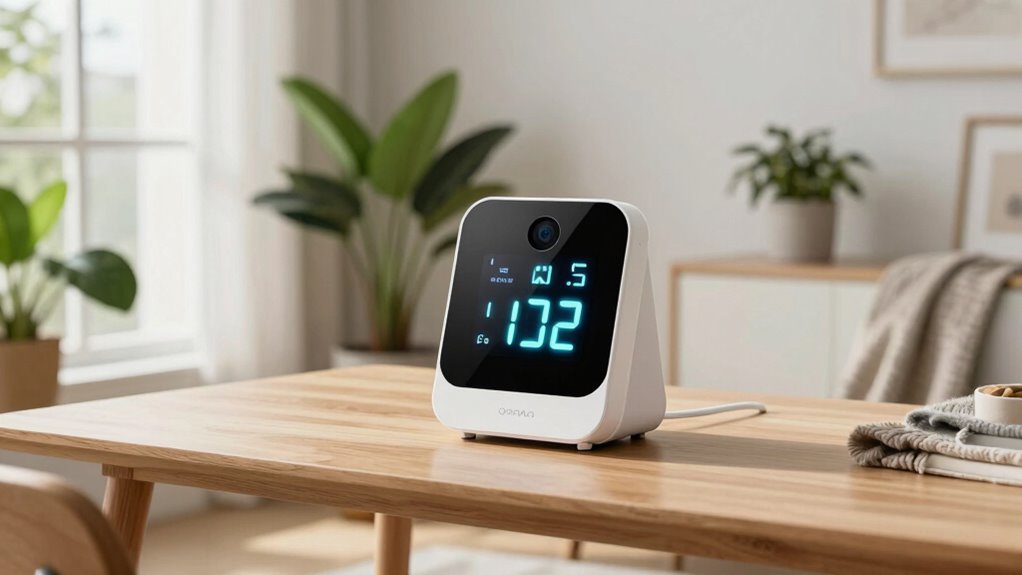
As awareness of indoor air quality rises, more people are turning to air monitors to keep track of pollutants and allergens in their homes and workplaces. You might have noticed how small changes, like adding a new piece of furniture or cooking a meal, can impact the air you breathe. That’s where air monitors come into play—they provide real-time data that helps you understand what’s happening in your environment. The key to trusting these devices is their sensor accuracy, which determines how reliably they detect substances like dust, VOCs, carbon dioxide, and humidity. When sensors are accurate, you gain a clearer picture of your indoor air quality, empowering you to make informed decisions.
Accurate sensors in air monitors help you understand and improve your indoor air quality confidently.
You may wonder why sensor accuracy matters so much. Well, if your air monitor’s sensors are off or inconsistent, you could either overestimate or underestimate the quality of your air. That might lead you to take unnecessary actions or, worse, ignore a problem that needs attention. Precise sensors ensure the data you receive reflects the actual conditions in your space, giving you confidence in how you respond. Many modern air monitors use advanced sensing technology, making their measurements more precise than ever. You’ll notice that higher-quality devices often come with calibration features, which help maintain sensor accuracy over time. This means you won’t have to replace your monitor as often and can trust its readings longer.
Furthermore, sensor accuracy influences your peace of mind. When you see consistent, reliable data, you’re more likely to feel in control of your environment. Whether you want to reduce allergens, improve ventilation, or prevent mold growth, knowing exactly what’s in the air allows you to take targeted action. For example, if your monitor detects elevated levels of VOCs, you can open windows, activate air purifiers, or remove offending items. Additionally, sensor calibration can further enhance your monitor’s performance and accuracy over time. Recognizing the importance of sensor accuracy and the performance of sensors can guide you toward choosing devices with advanced sensing technology, ensuring long-term reliability.
A better understanding of sensor performance and how it impacts data accuracy can help you select the most effective air quality monitor for your needs. In the end, the growing interest in air monitors from indoor users stems from a desire to safeguard health and comfort. Sensor accuracy plays an essential role in this, transforming these devices from mere gadgets into vital tools for managing your environment. When you choose an air monitor with precise sensors, you’re investing in your well-being, gaining valuable insights, and taking control of your indoor air quality with confidence.
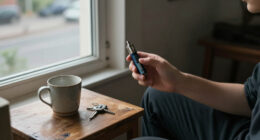
Indoor air quality monitor with accurate sensors
As an affiliate, we earn on qualifying purchases.
As an affiliate, we earn on qualifying purchases.
Frequently Asked Questions
How Accurate Are Consumer-Grade Air Monitors?
Consumer-grade air monitors vary in accuracy, but generally, they provide useful insights if you pay attention to sensor placement. Proper placement guarantees more reliable readings, especially for pollutants like VOCs or particulate matter. Keep in mind, understanding and interpreting the data correctly is essential; these devices are helpful tools, but they aren’t as precise as professional equipment. Use them as guides to improve your indoor air quality, not absolute measurements.
Do Air Monitors Detect All Indoor Pollutants?
Air monitors don’t detect all indoor pollutants, but they are effective for common issues like indoor mold and VOC detection. They measure specific contaminants, helping you identify potential health risks. However, some pollutants, such as certain chemicals or microscopic particles, may go unnoticed. To get an all-inclusive understanding of your indoor air quality, consider using multiple monitors or professional testing alongside your device.
How Often Should I Calibrate My Air Monitor?
You should calibrate your air monitor at least once every six months. Studies show that sensor calibration maintains accuracy, preventing readings from drifting over time. Regular maintenance frequency guarantees reliable data, helping you make informed decisions about indoor air quality. Keep an eye on your monitor’s performance, and if you notice inconsistent readings, calibrate more often. Proper sensor calibration is essential for trustworthiness and effective air quality management.
Are Air Monitors Safe for Children and Pets?
Air monitors are generally safe for children and pets, providing essential data to protect their health. By constantly tracking air quality, you can identify and reduce harmful pollutants, guaranteeing a safer environment. This helps with child safety and pet protection, as you can take quick action if levels become unsafe. Always choose a monitor with non-toxic materials and verify proper placement to avoid accidents, making your home safer for everyone.
What Is the Cost Range for Quality Air Monitors?
Coincidences often remind us how vital air quality standards are, especially with monitoring technology advancements. Quality air monitors typically cost between $50 and $300, depending on features and accuracy. Basic models cover essential air quality metrics, while advanced devices offer real-time data and detailed analysis. Investing in a reliable monitor guarantees healthier indoor environments, aligning your space with evolving standards and technological progress that safeguard your loved ones.
As an affiliate, we earn on qualifying purchases.
Conclusion
As the air we breathe becomes a silent battleground, air monitors stand as vigilant guardians at our side, turning invisible threats into clear signals. They transform the unseen chaos into a symphony of awareness, empowering you to take control of your sanctuary. With each alert, they whisper a call for safety and clarity, making your indoor space a fortress of health. Embrace these guardians, and let your environment breathe easier, wrapped in the shield of knowledge.
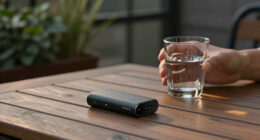
Air monitor with calibration features
As an affiliate, we earn on qualifying purchases.
As an affiliate, we earn on qualifying purchases.
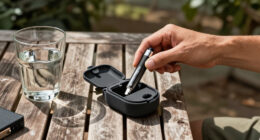
Real-time indoor air pollution detector
As an affiliate, we earn on qualifying purchases.
As an affiliate, we earn on qualifying purchases.
Halloween Picks
halloween
As an affiliate, we earn on qualifying purchases.