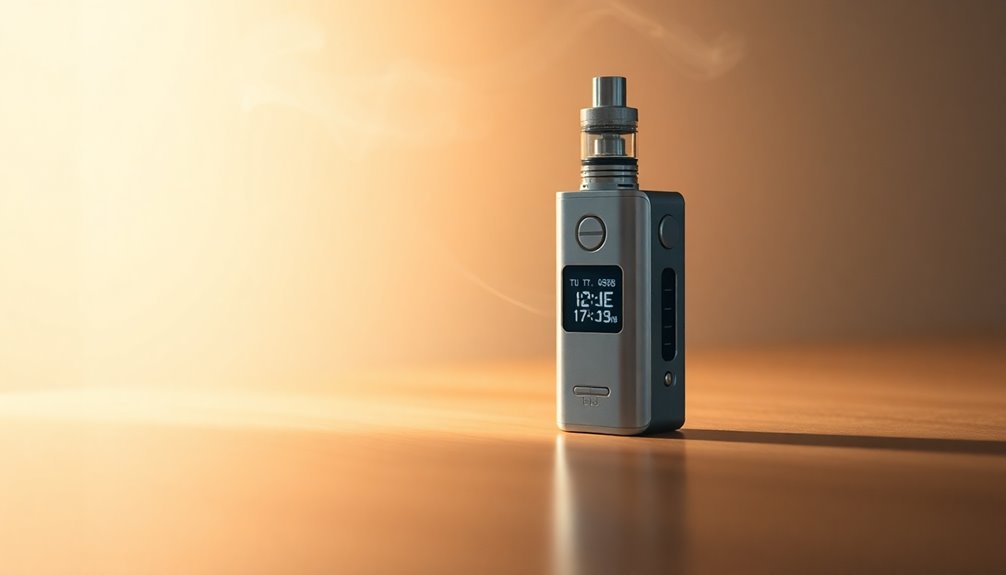


3D-printed vape components let you customize parts like drip tips and tanks to match your style, offering unique design options. They’re durable, thanks to advanced materials that withstand heat and chemicals. However, watch out for potential downsides like inconsistent quality and safety concerns with certain materials that might release harmful substances when heated. It’s vital to choose reliable sources and suitable materials. Stick around to uncover more insights on this innovative vaping approach.
Key Takeaways
- 3D printing allows for highly customizable vape components, enhancing personal expression and style preferences in vaping devices.
- Advanced materials used in 3D printing ensure durability and resistance to heat and chemicals, outperforming traditional materials.
- The rapid prototyping capabilities of 3D printing facilitate quick modifications and unique designs for vape parts.
- Quality assurance can vary; sourcing from reputable manufacturers is crucial to ensure reliable and safe components.
- Some 3D printing materials may release harmful substances when heated, necessitating careful material selection to ensure safety.

As vaping continues to evolve, you might be surprised to learn that 3D printing is revolutionizing the way vape components are designed and produced. This innovative technology allows for the creation of highly customizable parts, enabling you to tailor your vaping experience in ways that traditional manufacturing simply can’t match. With 3D printing, you can choose specific designs that fit your personal style, whether that’s a unique drip tip or a customized tank. The freedom of design customization means you can express your individuality while enjoying your vape.
One of the standout benefits of 3D-printed vape components is material durability. Traditional methods often rely on materials that may not withstand the rigors of regular use, but 3D printing opens up a world of possibilities. You can select from a variety of thermoplastics and other advanced materials that offer enhanced resistance to heat and chemicals. This durability ensures that your components can handle high temperatures and won’t degrade quickly, giving you peace of mind about longevity and performance.
3D-printed vape components provide exceptional durability, allowing for high-temperature resistance and long-lasting performance that traditional materials can’t match.
However, while the advantages are significant, you should also be aware of some potential downsides to 3D-printed components. One concern is the quality assurance of the printed parts. Unlike mass-produced items that undergo strict quality control processes, 3D printing can sometimes yield inconsistent results. If you’re not careful about where and how your components are printed, you may end up with a part that doesn’t perform as expected. It’s vital to source your components from reputable manufacturers who prioritize quality.
Safety is another important issue to think about. Although many 3D printing materials are safe for use in vaping, some lesser-known filaments may release harmful substances when heated. You’ll want to do your research and make sure that any materials used in your vape components are food-safe and suitable for high temperatures. This diligence will help you avoid any potential health risks associated with unsafe materials. Furthermore, monitoring advancements in automated production technologies can help ensure that you are using the safest and most efficient methods for creating your vape components.
Frequently Asked Questions
How Durable Are 3d-Printed Vape Components Compared to Traditional Ones?
3D-printed vape components can vary in durability compared to traditional ones. Their material longevity often depends on the type of filament used; some may degrade faster under heat or stress. While 3D-printed parts can have good structural integrity, they might not withstand the same wear and tear as metal or glass components. You’ll want to take into account the specific materials and printing techniques to make certain you’re getting the best durability for your vaping experience.
Can I Customize the Design of My 3d-Printed Vape Parts?
Yes, you can definitely customize the design of your 3D-printed vape parts! With design flexibility, you can create components that fit your personal style and preferences. Whether it’s changing shapes, sizes, or colors, aesthetic customization lets you express yourself while enhancing functionality. By using 3D modeling software, you’ll have the freedom to experiment and make unique designs that stand out. Just verify your customizations maintain the required specifications for safety and performance.
What Materials Are Commonly Used for 3d-Printed Vape Components?
When you think of building your own 3D-printed vape, imagine crafting an intricate piece of art. Common materials you’ll encounter are PLA, ABS, and PETG. Each boasts unique material flexibility that impacts how your components will feel and perform. PLA offers ease of use with decent print resolution, while ABS provides strength for durability. PETG balances flexibility and sturdiness, making it an excellent choice for parts that need to withstand heat and stress.
Are There Specific Printers Recommended for Creating Vape Components?
Yes, there are specific printers you should consider when creating vape components. Look for models that offer excellent printer compatibility with various filaments, like PETG or PLA. These materials are often preferred for their durability and safety. Make sure your printer has a heated bed and can handle higher temperatures for peak results. Research reviews and user experiences to find a printer that meets your needs effectively and produces high-quality parts for vaping.
How Do I Properly Clean 3d-Printed Vape Parts?
Imagine your 3D-printed vape parts as a canvas, waiting for a fresh start. To clean them properly, use a mix of warm water and mild soap for routine maintenance. For deeper cleaning, consider chemical cleaners specifically designed for plastics, but test on a small area first. Soak the parts, scrub gently with a soft brush, and rinse thoroughly. Dry them well, ensuring they’re ready for your next vaping experience without any residue.
Conclusion
In the world of vaping, 3D-printed components can feel like a gust of fresh air, blending innovation with personalization. However, like a double-edged sword, they come with their risks. While you can customize your experience, you must tread carefully, ensuring safety is your priority. So, as you set out on this journey of creativity, remember: the thrill of innovation should never cloud your judgment. Embrace the future, but keep your health in sharp focus.