
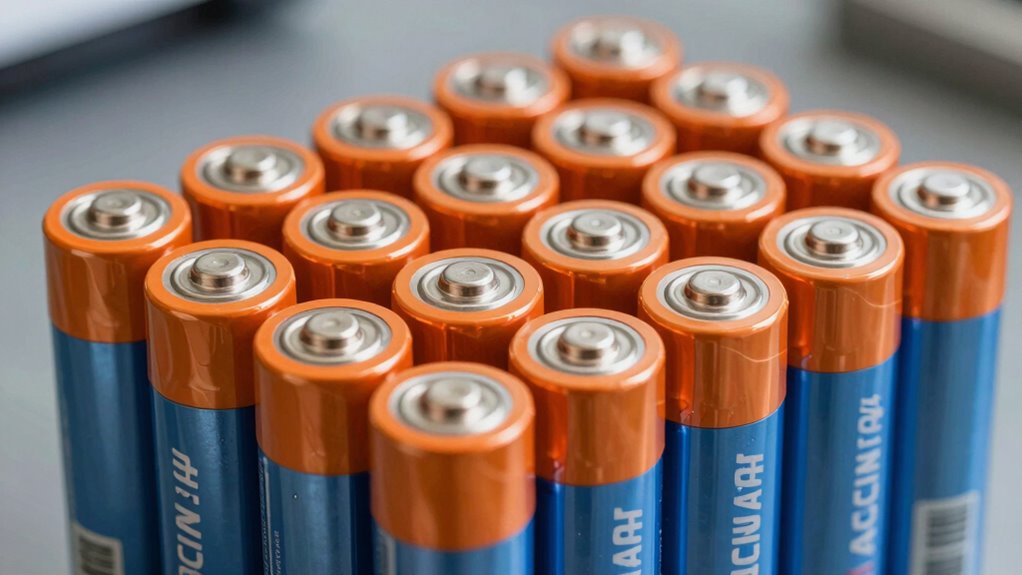

Properly organizing your batteries is mainly about safety, not appearances, because careless storage can lead to dangerous short circuits, leaks, or even fires. Keeping batteries in designated containers and away from metal objects prevents accidents and environmental hazards. Damaged or improperly stored batteries pose increased risks of chemical leaks and overheating. With safe handling and storage practices, you protect yourself and your home. If you want to understand more about safe battery management, keep exploring how it all works.
Key Takeaways
- Proper organization prevents contact with metal objects, reducing short circuit and fire risks.
- Safe storage minimizes damage, leaks, and overheating, ensuring battery integrity and safety.
- Organized batteries in designated containers reduce environmental hazards and facilitate proper disposal.
- Clear separation and inspection help identify damaged batteries that pose safety threats.
- Prioritizing safety in organization prevents accidents, environmental harm, and costly damages.
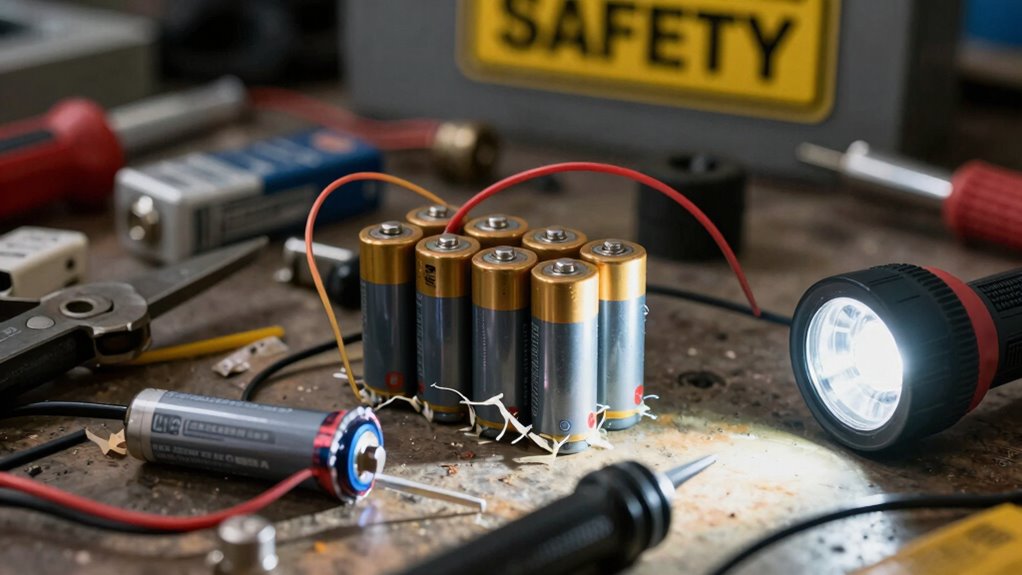
When choosing a new device or gadget, it’s tempting to prioritize sleek design and eye-catching aesthetics. But behind the glossy exterior, the way you organize and handle its batteries plays a crucial role in your safety. Proper battery organization isn’t just about keeping things tidy; it’s about preventing potential hazards that can lead to serious injuries or damage. Batteries, especially lithium-ion types, can pose fire hazards if mishandled or stored improperly. If you ignore safe practices, a damaged or incorrectly stored battery could short circuit, overheat, or even explode, putting you and those around you at risk. That’s why understanding the importance of proper organization is essential to avoid these dangers.
Proper battery handling and organization are vital to prevent fire hazards and ensure safety behind sleek device designs.
You should always keep batteries in their designated cases or containers, making sure they don’t come into contact with metal objects or other batteries. Loose batteries rolling around in a drawer or toolbox increase the risk of accidental short circuits, which can generate enough heat to ignite a fire. When you’re handling batteries, ensure your hands are dry and free of conductive materials, and never force batteries into devices if they don’t fit. Proper disposal is another key aspect of battery safety. Disposing of batteries improperly, such as tossing them into regular trash, can cause environmental damage and create fire hazards in waste facilities. Instead, use designated recycling centers or collection points to ensure batteries are disposed of safely and correctly. Recycling prevents harmful chemicals from leaking into the environment and reduces the chance of fires caused by damaged batteries in landfills.
Organizing your batteries isn’t just about aesthetics; it’s about taking proactive steps to minimize risks. Regularly inspect your batteries for signs of damage, like swelling, corrosion, or leaks. Damaged batteries should be safely stored in a fireproof container and disposed of properly. Keep batteries away from heat sources, direct sunlight, or humid environments, all of which can accelerate deterioration and increase fire risks. When you’re done using a battery, remove it from the device if it’s not going to be used for an extended period. This simple step reduces the chance of accidental leaks or overheating. Additionally, proper storage and handling can help prevent battery-related incidents, which are often caused by neglect or improper maintenance. Understanding the battery chemistry and its effects can also enhance your understanding of how to handle and store batteries safely. Incorporating proper storage techniques can further reduce the likelihood of accidents and prolong the lifespan of your batteries.
Furthermore, being aware of battery safety guidelines from reputable sources can help you stay updated on best practices. Additionally, understanding the potential dangers of mishandling batteries can help you make more informed safety choices and prevent accidents before they happen.
In the end, safe battery organization is a straightforward way to protect yourself, your home, and the environment. It’s about making smart choices—storing batteries properly, handling them carefully, and disposing of them responsibly—rather than just focusing on how they look. Prioritizing safety over aesthetics ensures you don’t overlook the potential dangers lurking behind the sleek design of your devices.
As an affiliate, we earn on qualifying purchases.
Frequently Asked Questions
How Can I Tell if My Battery Is Unsafe?
You can tell your battery’s unsafe if it shows signs like swelling, leaks, or odd odors. Check your charging habits—overcharging or using incompatible chargers can damage batteries. If your battery overheats or loses charge quickly, it’s a red flag. Always dispose of damaged batteries properly to prevent hazards. Regularly inspect your batteries, and if you notice issues, stop using them immediately and seek professional advice to guarantee safety.
What Are Common Signs of a Battery Safety Issue?
You notice your battery’s lifespan shortening unexpectedly, or it heats up excessively during charging—these are signs of safety issues. Poor charging practices or overuse can cause internal damage, leading to potential hazards. Watch for swelling, leaks, or strange smells, which signal trouble. Don’t ignore these warning signs; tackling them promptly guarantees your safety and prolongs your battery’s life. Stay vigilant, because a small problem can turn into a bigger danger.
Are Safety Features More Important Than Battery Capacity?
Safety features are more important than battery capacity because they protect you from potential hazards like overheating, fires, or explosions. When considering battery design, prioritize safety over aesthetic appeal, as a well-designed safety system minimizes risks even if it means sacrificing some visual flair. You want a battery that’s reliable and secure, ensuring your device’s safety and longevity, rather than just focusing on looks.
How Often Should I Inspect My Battery for Safety?
Think of your battery as a delicate dance partner that needs regular check-ins. You should inspect it monthly, especially after heavy use or long drives. During battery maintenance, look for corrosion, leaks, or swelling. Good charging practices help prevent hazards, so always use the right charger and avoid overcharging. These routines keep your battery safe, reliable, and ready to perform, ensuring your journey stays smooth and worry-free.
Can a Visually Appealing Battery Be Unsafe?
Yes, a visually appealing battery can be unsafe because aesthetic durability doesn’t guarantee safety. Visual deception might hide issues like corrosion, leaks, or damaged terminals, which can lead to malfunctions or hazards. You should prioritize regular safety inspections over appearance, ensuring that connections are secure and there’s no corrosion or damage. Remember, a battery’s safety is more important than how it looks, so don’t rely solely on its aesthetic appeal.
As an affiliate, we earn on qualifying purchases.
Conclusion
Remember, prioritizing safety in battery organization is like tending a delicate garden—you must handle it with care to prevent any dangerous surprises. While a tidy setup looks appealing, it’s the safety measures that truly protect you from potential hazards. Keep your batteries well-organized and secure, because neglecting safety can turn a simple clutter into a ticking time bomb. When it comes to batteries, safety isn’t just a priority—it’s the foundation that keeps everything else running smoothly.
battery safety storage container
As an affiliate, we earn on qualifying purchases.
As an affiliate, we earn on qualifying purchases.
rechargeable battery disposal kit
As an affiliate, we earn on qualifying purchases.
As an affiliate, we earn on qualifying purchases.
Evergreen bestsellers Picks
bestsellers
As an affiliate, we earn on qualifying purchases.