
Air cleaning and odor removal are different because one targets particles, allergens, and contaminants, while the other focuses only on eliminating smells and gases. Air cleaners like HEPA filters trap dust, pollen, and bacteria but don’t remove odors caused by VOCs or gases. Odor removal uses activated carbon or special technologies to neutralize persistent smells. Understanding these differences helps you choose the right device—keep going to learn more about how each works.
Key Takeaways
- Air cleaning removes particles and allergens, while odor removal targets gases and chemical smells specifically.
- HEPA filters trap dust and pollen but do not eliminate odors caused by VOCs.
- Activated carbon media adsorbs and neutralizes chemical odors, unlike standard air purifiers.
- Technologies like UV light and photocatalytic oxidation break down odor molecules, not just mask them.
- Effective odor removal often requires specialized filters and combined technologies beyond basic air cleaning.
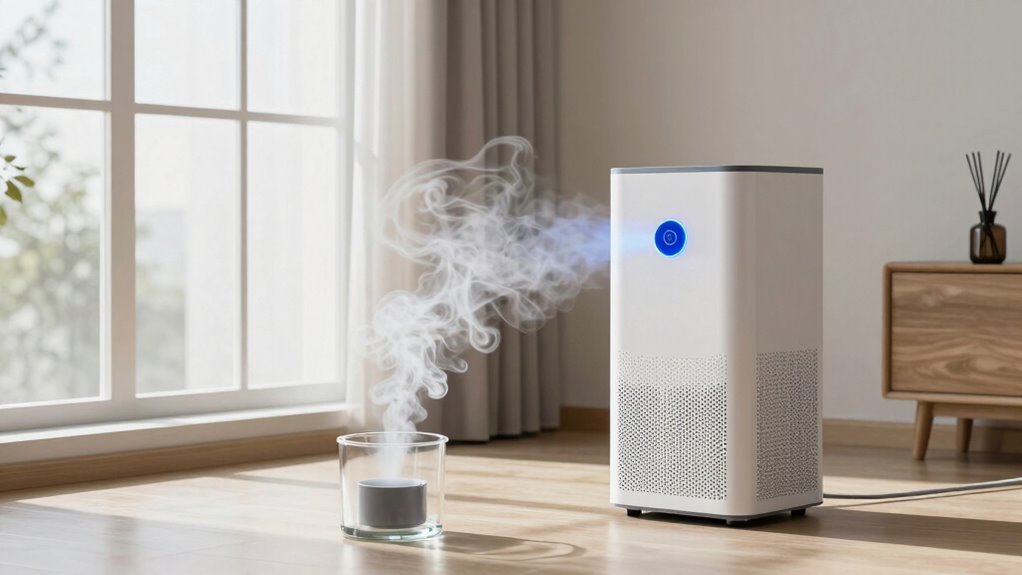
When it comes to improving indoor air quality, understanding the difference between odor removal and air cleaning is essential. While both aim to make your environment healthier and more comfortable, they serve distinct purposes and use different techniques. Recognizing these differences helps you choose the right solutions for your needs, especially when considering devices like air purifiers. Many people assume that an air purifier is a catch-all device that can handle every indoor air issue, but that’s not entirely accurate. Air purifier technology varies, and understanding how it works can help you target specific problems, such as chemical odors or airborne pollutants.
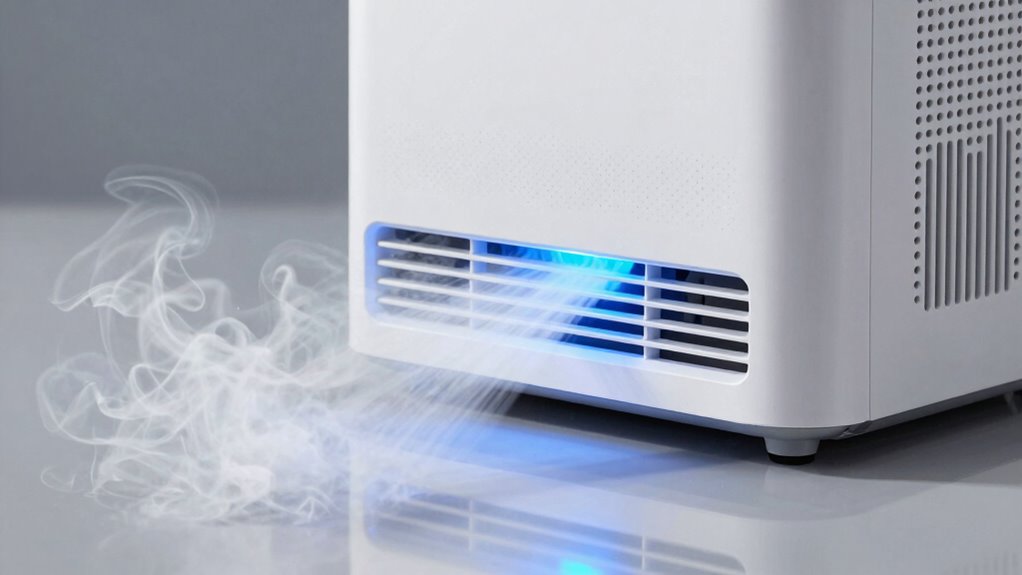
Air cleaning generally refers to removing particles, allergens, and contaminants from the air. This process often involves filters like HEPA filters that trap dust, pollen, pet dander, and even some bacteria or viruses. When you run an air purifier equipped with such filters, you improve overall air quality by reducing these microscopic pollutants. However, air cleaning doesn’t necessarily remove odors, especially those caused by gases or chemicals. That’s where specialized features come into play. For example, some advanced air purifiers incorporate activated carbon or other media designed specifically for chemical odor elimination. These materials absorb and neutralize gaseous compounds, effectively reducing persistent smells like cooking fumes, smoke, or pet odors.
Air cleaning uses filters like HEPA to trap particles but may not eliminate chemical odors effectively.
Odor removal, on the other hand, focuses entirely on eliminating smells rather than airborne particles. Odors are often caused by volatile organic compounds (VOCs) or other gases, which can linger even after the source has been removed. To combat these, you need air purifier technology that can address chemical odors directly. Activated carbon filters are key here, as they adsorb and neutralize many chemical odors and VOCs. Some systems combine multiple technologies, such as UV light or photocatalytic oxidation, to break down complex molecules that cause odors. This targeted approach ensures that unpleasant smells don’t just mask the problem but eliminate it at its source. Additionally, understanding the role of microplastics in dust can help you address other indoor air quality concerns that might contribute to overall discomfort.
In essence, while air cleaning improves the overall quality of indoor air by removing particles, odor removal zeroes in on the specific problem of smells and gases. Both are important, but they require different approaches. If your primary concern is allergies or dust, a HEPA filter might be enough. But if you’re battling persistent chemical odors or smoke, you’ll want a device that emphasizes chemical odor elimination through advanced air purifier technology. Recognizing that air purification encompasses a variety of technologies can help you make more informed decisions. For instance, understanding the different filter types and their specific functions enables you to select the most effective solutions for your indoor environment. Knowing these distinctions empowers you to pick the right equipment, ensuring your indoor air is truly clean and fresh.
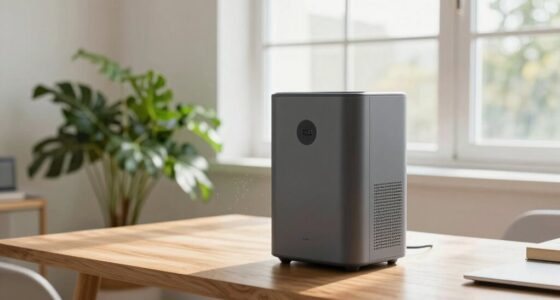
HEPA air purifier for dust and allergens
As an affiliate, we earn on qualifying purchases.
As an affiliate, we earn on qualifying purchases.
Frequently Asked Questions
Can Air Purifiers Eliminate All Types of Odors?
Air purifiers can’t eliminate all types of odors. While HEPA filters effectively trap particles like dust and pet dander, they don’t target smells. Ozone generators can neutralize strong odors but may pose health risks if used improperly. To thoroughly remove odors, look for devices combining HEPA filters with activated carbon or ozone technology, ensuring safe and complete air cleaning tailored to specific odors in your space.
How Long Does Odor Removal Typically Take?
Think of odor removal like a well-orchestrated jazz performance—sometimes it takes a bit of time. Usually, it takes anywhere from a few hours to a couple of days, depending on the odor’s strength and source. You’ll want to focus on scent neutralization rather than just odor masking, which only hides smells temporarily. Proper air cleaning techniques can speed up the process, but patience is key for thorough odor elimination.
Are Certain Air Cleaning Methods More Effective for Specific Odors?
Yes, some air cleaning methods work better for specific odors. For example, ozone generators are effective at neutralizing strong, persistent smells like smoke or pet odors, but should be used carefully due to health risks. Activated charcoal is excellent for absorbing various odors naturally, especially in enclosed spaces. You’ll get the best results by choosing the right technique based on the type and intensity of the odor you’re dealing with.
Do Odor Removal Products Pose Health Risks?
Odor removal products can pose health risks due to chemical exposure, especially if used improperly or in poorly ventilated spaces. You might experience respiratory issues, skin irritation, or headaches from inhaling fumes. To protect yourself, always follow label instructions, choose natural or low-toxicity options when possible, and guarantee good ventilation during and after application. Staying informed helps you minimize health concerns while keeping your environment fresh.
Can Air Cleaning Devices Remove Airborne Allergens Simultaneously?
Think of your air purifier as a guardian angel, silently battling airborne viruses and mold spores. Yes, many air cleaning devices can remove airborne allergens simultaneously, filtering out particles that trigger allergies and asthma. They use HEPA filters and other technologies to trap pollutants. This means you breathe cleaner, healthier air while reducing risks from allergens, airborne viruses, and mold spores—all at once, creating a safer environment for you and your family.
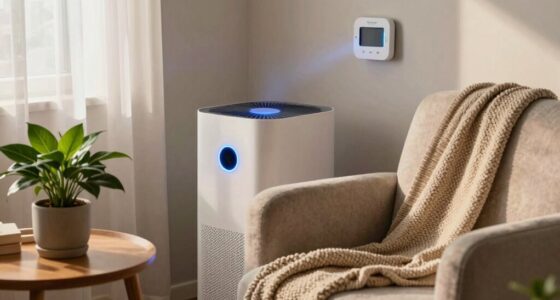
activated carbon air purifier for odors
As an affiliate, we earn on qualifying purchases.
As an affiliate, we earn on qualifying purchases.
Conclusion
Remember, odor removal and air cleaning aren’t the same—they’re like apples and oranges in the world of freshness. While odor removal tackles smells directly, air cleaning purifies the entire atmosphere. If you think just masking a smell is enough, you’re missing the bigger picture of truly fresh air. Think of it this way: without proper air cleaning, you’re fighting a losing battle against invisible enemies. Invest wisely, and breathe easy knowing your air is genuinely refreshed—because your health deserves nothing less.
air purifier with UV light and photocatalytic oxidation
As an affiliate, we earn on qualifying purchases.
As an affiliate, we earn on qualifying purchases.
odor removal air purifier for VOCs
As an affiliate, we earn on qualifying purchases.
As an affiliate, we earn on qualifying purchases.
Columbus Day / Indigenous Peoples' Day Picks
long weekend sales
As an affiliate, we earn on qualifying purchases.