
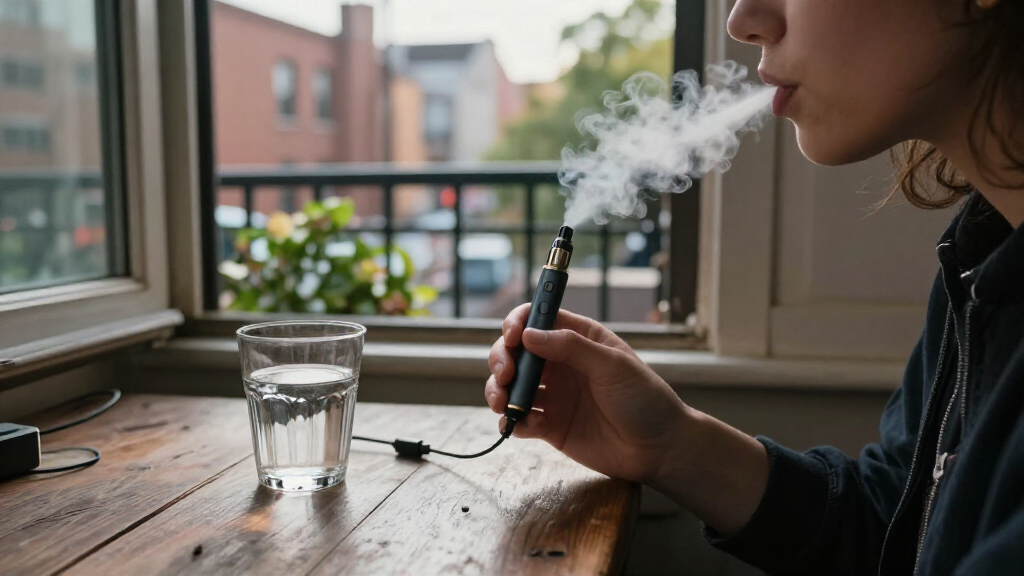

When battery life is the priority, the choice is not simply between two pens with the same capacity. A 510-thread setup lets you select a compatible battery and cartridge separately; a closed pod system pairs its battery with pods made for that device. That affects how you carry, charge, replace, and pay for the whole setup.
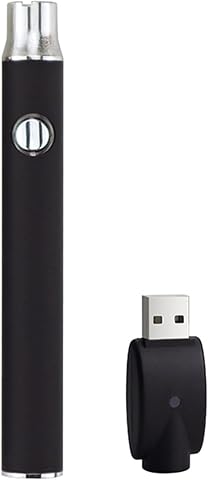
Universal 1100mAh Rechargeable Replacement Pen Battery, Black
- ✔ Capacity: 1100mAh
- ✔ Design: Threaded
- ✔ Power source: Battery powered

Portable USB-C Rechargeable Soldering Iron Pen, 650mAh, Adjustable Voltage
- ✔ Battery capacity: 650mAh
- ✔ Voltage modes: 2.7V, 3.4V, 4.2V
- ✔ Temperature range: 200°C–450°C
Neither format guarantees longer runtime. Actual use depends on battery capacity, voltage or power settings, cartridge or pod resistance, and how often you use it. Choose a 510-thread pen if you want broad cartridge choice and the ability to shop among batteries. Choose a closed pod system if matching parts and a compact routine matter more than open compatibility. Compare the specific device specifications before buying, since product names and formats alone do not establish battery life.
At a Glance
| Criteria | 510-thread vape pens | Closed pod vape systems | Winner |
|---|---|---|---|
| Battery capacity and runtime | Varies by battery; capacity and power settings determine how long it lasts | Varies by device; the integrated battery and power settings determine runtime | Depends |
| Charging and battery replacement | Some batteries recharge by USB; some models allow battery replacement | Usually recharge the device; the battery is generally not user-swappable | A |
| Cartridge or pod compatibility | Works with compatible 510-thread cartridges, subject to fit and electrical limits | Uses pods made for that system, so choice depends on its product range | A |
| Portability and daily handling | Pen and cartridge are often separate parts; size varies | Often designed as a compact matched device and pod | B |
| Upfront and ongoing value | Many battery and cartridge choices, but quality and cost vary | Device choice may be affordable, while replacement pod costs vary | Depends |
| Ease of setup | Requires matching a compatible battery and cartridge | Matched pods can make setup straightforward | B |
Universal 1100mAh Rechargeable Replacement Pen Battery, Black
For a shopper focused on battery capacity, this is the more relevant of the two listings. Its 1100mAh capacity is higher than the soldering iron pen’s 650mAh, giving it the stronger stated starting point for stored charge. It is also described as rechargeable and portable, making it a plausible option for someone replacing a compatible pen battery. However, the listing does not identify which vape models it works with, so “universal” should not be treated as proof of broad compatibility.The information gap is central to the buying decision. We are not given a charging time, a clear cable or connector description, a voltage range, or a vape-specific runtime. That makes it impossible to translate 1100mAh into dependable hours of vaping or a puff estimate. By comparison, the soldering iron listing is more detailed about USB-C charging and operating time, but those specs apply to a different tool and do not make it a suitable vape alternative.This battery makes the most sense when we already know our device accepts its threaded connection and can confirm the electrical specifications. If we cannot verify those details, the larger capacity alone is not enough to make a safe, informed match. Buyers seeking an out-of-the-box vape pen with documented runtime should keep looking for a product listing that names compatible devices and provides use-specific battery information.
Pros:
- Listed 1100mAh capacity is the larger figure in this comparison.
- Rechargeable design avoids treating it as a disposable battery.
- Portable form is suited to carrying as a replacement pen battery.
Cons:
- Compatible vape models and electrical requirements are not specified.
- The USB charging component is listed without clear cable or connector details.
- No vape-specific runtime or charging-time estimate is provided.
Best for: Someone replacing a pen battery who can confirm the required thread, voltage, and device compatibility before ordering.
Not ideal for: Buyers who need confirmed compatibility, a stated charging time, or a reliable estimate of vape runtime from the listing.
Bottom line: This is the stronger capacity-led candidate for a compatible vape setup, provided we verify fit and electrical requirements before buying.
“This is the stronger capacity-led candidate for a compatible vape setup, provided we verify fit and electrical requirements before buying.”
Portable USB-C Rechargeable Soldering Iron Pen, 650mAh, Adjustable Voltage
This listing provides more operational detail than the 1100mAh replacement battery, including a stated up to two hours of continuous runtime, USB-C charging, and an estimated 40-minute charge. Those details help a buyer understand the soldering tool’s battery use. They do not establish how long a vape device would run, because this product is explicitly a cordless soldering iron with a ceramic heating core and soldering tip.Its 650mAh battery is smaller than the replacement battery’s 1100mAh, and the two-hour figure describes continuous soldering rather than vaping. The three voltage settings, temperature display, rapid heating, auto-sleep, and overload protection are features for electronics work. A 510-thread connector may sound familiar to vape shoppers, but thread style alone does not confirm that a soldering tool is safe or compatible for vaping. We should not use it as a substitute for a vape battery.Compared with the first product, this pen wins on clarity: it states charging type, approximate charging time, temperature range, and runtime. But on the actual search intent, it is a mismatch. It is useful only if we are comparing battery documentation or shopping for a portable soldering iron. Anyone seeking a long-lasting vape pen should skip it and choose a device specifically identified by its manufacturer as a vape battery.
Pros:
- Lists up to two hours of continuous soldering use and an approximate 40-minute charge.
- USB-C charging and an LED screen make charge and settings easier to monitor.
- Lightweight 33g design with auto-sleep and thermal overload protection.
Cons:
- It is a soldering iron, not a vape pen, despite its pen shape and 510-thread connector.
- Its 650mAh capacity is lower than the replacement battery’s listed 1100mAh.
- The kit includes only one soldering tip, and the stated runtime does not apply to vaping.
Best for: Buyers looking for a lightweight cordless soldering iron with USB-C charging and a stated continuous-use estimate.
Not ideal for: Anyone shopping for a vape pen or vape battery; this listing identifies a soldering iron, and its runtime is not vape-specific.
Bottom line: Choose this only for soldering work; its detailed battery specs do not make it a vape recommendation.
“Choose this only for soldering work; its detailed battery specs do not make it a vape recommendation.”
As an Amazon Associate we earn from qualifying purchases.
Key Differences
Battery format is not a reliable proxy for runtime. A large-capacity battery can last longer between charges, but higher power settings and frequent use can drain it faster. Compare capacity in mAh where the manufacturer provides it, charging details, and any stated runtime conditions. A 510-thread setup gives you more room to choose a battery, while a pod system makes the battery and consumable a matched pair.
The biggest practical tradeoff is flexibility versus simplicity. With 510-thread hardware, you can choose among compatible cartridges and batteries, but you must check fit, voltage range, and connection type. A closed pod system reduces those compatibility decisions, though it limits you to pods made for that device and usually requires charging the whole unit when its battery runs low. For frequent travel or long days away from an outlet, check charging time, whether a power bank suits your routine, and whether carrying a spare battery is permitted and practical.
Value depends on the full ownership cost, not just the device price. A low-cost pen may need frequent charging or replacement; an inexpensive pod device can have costly proprietary pods. Compare device price, replacement consumable prices, capacity, warranty, and availability where you live. Do not assume either format is cheaper or lasts longer without checking the exact products.
Detailed Comparison
Battery capacity and runtime (major difference)
Neither format wins by default: capacity varies across both 510-thread batteries and pod devices. The gap between specific products can be major, but the format-level difference is minor. A higher mAh rating can indicate more stored charge under comparable conditions, yet power settings and usage also affect how often you recharge. Compare manufacturer specifications and treat runtime claims cautiously if their testing conditions are unclear.
Charging and battery replacement (510-thread vape pens wins — moderate)
510-thread pens win moderately because some models let users replace the battery, while many pod devices have an integrated battery that must be recharged in place. A compatible spare can help someone who is away from an outlet, though not every pen uses replaceable cells. Check the exact model and follow its charging and battery instructions; do not carry loose cells without suitable protection.
Cartridge or pod compatibility (510-thread vape pens wins — major)
510-thread hardware wins clearly on choice: compatible cartridges from different makers may work, provided dimensions and electrical requirements match. Closed pod systems restrict users to pods designed for that device. This difference is major for people who want to compare formulations or suppliers, but compatibility is not universal even among 510-thread products, so confirm the battery’s supported voltage and cartridge fit.
Portability and daily handling (Closed pod vape systems wins — moderate)
Closed pod systems often have the edge because the matched device and pod can form a compact, straightforward carry. The advantage is moderate, not guaranteed: 510-thread pens also come in slim designs, and size varies by model. Compare assembled dimensions, whether the cartridge is protected in a case, and how easy the device is to keep charged during your usual day.
Upfront and ongoing value (major difference)
This is a product-specific tie. 510-thread hardware offers more choice across battery and cartridge prices, while pod systems may simplify the initial purchase but tie replenishment to a narrower pod range. The gap can become major over time if replacement pods are expensive or hard to find. Estimate several months of device and consumable costs before deciding; the cheapest starter device may not be the lowest-cost setup.
Ease of setup (Closed pod vape systems wins — moderate)
Closed pod systems win moderately for simplicity because the device and pods are designed to work together. A 510-thread setup asks the buyer to select compatible components and may offer settings that require more attention. That extra choice can be useful for experienced users, but a first-time buyer should confirm the battery and cartridge are compatible and understand the manufacturer’s instructions.
510-thread vape pens: Pros and Cons
Pros:
- Broad choice of compatible 510-thread cartridges and batteries
- Some models allow a spare or replacement battery
- More flexibility to compare component prices and specifications
Cons:
- Battery and cartridge compatibility needs checking
- Battery life differs widely by model and settings
- Separate components may be less convenient to carry
Closed pod vape systems: Pros and Cons
Pros:
- Matched device and pods simplify setup
- Often compact as a complete carry
- No need to select a separate 510-thread battery
Cons:
- Limited to compatible pods for that system
- Integrated batteries are generally not user-swappable
- Replacement pod prices and availability can shape long-term cost
Who Should Choose What
Choose 510-thread vape pens if:
- You want to choose among compatible cartridges from multiple suppliers.
- You prefer a model that may accept a replaceable battery or a spare.
- You are comfortable checking cartridge fit, voltage, and battery specifications.
Choose Closed pod vape systems if:
- You want a compact matched device and pod with fewer setup decisions.
- You are happy with the pods available for one system.
- You value straightforward handling more than cross-brand compatibility.
Skip both if: Neither format fits if the specific device lacks clearly stated battery and charging specifications, or if its compatible cartridges or pods are costly or difficult to obtain where you live.
Value for Money
Pay more only when the extra cost buys a feature you will use, such as a clearly higher battery capacity, faster supported charging, a replaceable battery, or a warranty that suits your needs. A premium price by itself does not prove longer runtime. For 510-thread devices, include the cost of the battery and cartridges you expect to use. For pod devices, check replacement pod prices and local availability. The better value is the complete setup that meets your usage needs at a sustainable replacement cost.
Final Verdict
For shoppers focused on long battery life, choose by the specifications of the exact device rather than by format. A 510-thread pen is the stronger fit if you want cartridge choice and the option of replaceable batteries; a closed pod system is the better fit if you want a compact, matched setup with simpler component selection. Before buying either, compare battery capacity, charging method, power settings, and the cost and availability of replacements. If a brand does not publish useful battery details, keep looking.
Frequently Asked Questions
Which type of vape pen lasts longer on one charge?
Neither type always lasts longer. Runtime depends on battery capacity, power settings, cartridge or pod characteristics, and frequency of use. Compare specifications for the particular models and look for clear testing conditions behind any runtime claims.
What does mAh tell me about battery life?
mAh is a measure of battery capacity. When comparing batteries under similar conditions, a higher rating generally means more stored charge, but it does not translate directly into a fixed number of hours or days. Power use and charging behavior also matter.
Can I use any cartridge with a 510-thread pen?
No. The connector may fit, but cartridge dimensions and electrical requirements can differ. Check the battery maker’s supported voltage or power range and the cartridge manufacturer’s guidance before pairing them.
Is a pod system cheaper over time?
Not automatically. Compare the device price and the cost and availability of replacement pods over your expected period of use. A low-cost starter device can become expensive if its pods cost more or are harder to source.