

TL;DR
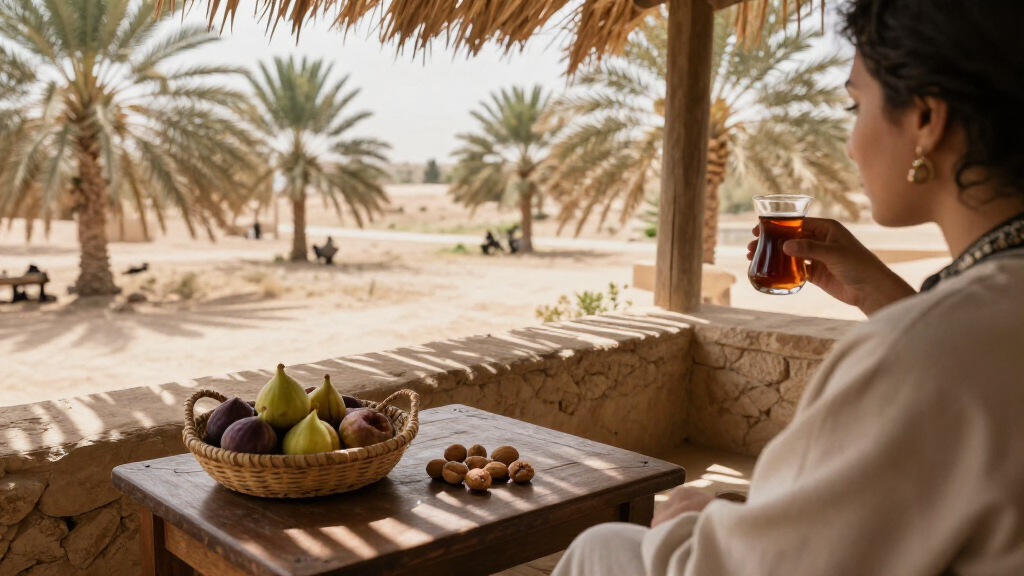
Travel interest in the Middle East is increasingly centered on cultural experiences, short getaways, and nature escapes this autumn. This shift reflects evolving consumer preferences, though specific developments remain unconfirmed.
Travel patterns in the Middle East are increasingly emphasizing cultural exploration, short breaks, and nature experiences this autumn, according to recent trend signals observed by Wingie. This shift reflects changing consumer preferences in the region, driven by lifestyle, environmental awareness, and a desire for diverse travel experiences.
Recent data indicates a rising interest among Middle Eastern travelers in short, culturally rich trips and nature escapes during the autumn season. Industry sources suggest that travelers are prioritizing local and regional destinations that offer authentic cultural experiences and outdoor activities. While specific data points are limited, travel agencies and tourism boards report increased inquiries and bookings aligned with these themes.
Experts note that this trend aligns with broader lifestyle shifts, including a growing appreciation for regional heritage, environmental consciousness, and the desire for flexible, short-duration travel options amid ongoing economic and social changes. However, detailed statistics and official tourism data are still pending, and the trend’s longevity remains uncertain.
Implications for Middle East Tourism Industry
This emerging focus on cultural, short-term, and nature-based travel could reshape the Middle East’s tourism sector by encouraging more localized tourism initiatives and eco-friendly offerings. It may also influence marketing strategies to target regional and international visitors seeking authentic experiences and outdoor activities. The shift could support economic diversification efforts and promote lesser-known destinations, but the full impact depends on sustained traveler interest and infrastructure development.outdoor travel gear for Middle East
As an affiliate, we earn on qualifying purchases.
As an affiliate, we earn on qualifying purchases.
Regional Travel Trends and Lifestyle Changes
Historically, Middle Eastern tourism has been driven by luxury, religious, and business travel. Recently, however, there has been a noticeable pivot towards more diverse and experiential travel forms, partly influenced by regional socio-economic developments and the global emphasis on sustainability. The current trend towards cultural and nature-focused trips appears to be a response to these broader shifts, although official data confirming this transition is still emerging. The timing coincides with regional initiatives promoting heritage sites and natural parks, but the exact drivers remain unconfirmed.cultural travel guidebooks Middle East
As an affiliate, we earn on qualifying purchases.
As an affiliate, we earn on qualifying purchases.
Unconfirmed Nature of the Travel Trend Shift
It is not yet clear whether this shift towards cultural and nature-focused travel is a temporary trend or a longer-term change. Official tourism statistics and comprehensive surveys are still pending, and regional variations in traveler preferences are not fully understood. The influence of external factors such as economic conditions, geopolitical stability, and global travel restrictions remains uncertain.compact travel backpacks for short trips
As an affiliate, we earn on qualifying purchases.
As an affiliate, we earn on qualifying purchases.
Monitoring Future Travel Data and Industry Responses
Travel agencies, tourism boards, and industry analysts will likely monitor booking patterns and survey data over the coming months to confirm whether this trend persists. Regional promotional campaigns emphasizing cultural and outdoor experiences are expected to increase, potentially shaping the future landscape of Middle East tourism. Further official data releases and industry reports are anticipated to clarify the trend’s scope and longevity.As an affiliate, we earn on qualifying purchases.
Key Questions
What are the main factors driving this travel trend in the Middle East?
The trend appears to be driven by a combination of lifestyle shifts, growing environmental awareness, and a desire for authentic cultural and outdoor experiences. Regional initiatives promoting heritage and natural sites also play a role.
Are specific destinations benefiting from this shift?
While detailed data is not yet available, destinations with rich cultural heritage, natural parks, and outdoor activity options are likely to see increased interest, according to industry sources.
Is this trend expected to continue beyond this autumn?
It remains uncertain whether the focus on cultural and nature travel will become a sustained shift or remain seasonal. Industry analysts suggest close monitoring of booking data and regional marketing efforts in the coming months.
How might this trend influence regional tourism policies?
Tourism authorities may prioritize eco-tourism, heritage preservation, and outdoor activity infrastructure to attract and accommodate this evolving traveler interest.
Source: rss
Halloween Picks
halloween
As an affiliate, we earn on qualifying purchases.