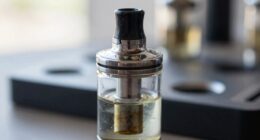


Vaping around your family exposes them to harmful nicotine and toxic chemicals, even if you can’t see or smell the aerosol. These particles linger in the air and settle on surfaces, putting everyone at risk, especially children and those with health conditions. It’s crucial to consider the environment you create when vaping. By choosing to vape outdoors or away from shared spaces, you can considerably lower these risks. Discover more about how to protect your loved ones effectively.
Key Takeaways
- Vaping indoors increases passive nicotine exposure risks for family members, especially children and pets, due to lingering aerosol particles.
- Residual nicotine and toxic chemicals from vape aerosols can settle on surfaces, posing health risks even without direct inhalation.
- Choosing to vape outside minimizes passive exposure and creates a safer environment for loved ones.
- Pleasant scents of vape aerosols do not eliminate the presence of harmful chemicals, making awareness crucial for family safety.
- Repeated exposure to vape aerosols can lead to long-term health issues, emphasizing the importance of responsible vaping practices.

As vaping becomes more popular, you might not realize that passive nicotine exposure from vape aerosols can impact those around you. Many people believe that because e-cigarettes produce less visible smoke and have fewer odors than traditional cigarettes, they’re safe to use anywhere. Unfortunately, this isn’t the case. The aerosol emitted from e-cigarettes contains a mix of harmful chemicals, including nicotine, which can affect family members and friends who are nearby.
When you vape indoors or around others, you release aerosol particles that can linger in the air and settle on surfaces. These particles can be inhaled by anyone nearby, including children, pets, and non-smokers. You may think that the sweet and fruity scents associated with vaping are pleasant, but they can mask the harmful effects of the underlying chemicals. E-cigarette odors, while less pungent than traditional smoke, still carry risks. The pleasant aroma doesn’t change the fact that aerosol exposure can lead to serious health issues for those inhaling it passively.
Research has shown that aerosol particle health can be compromised, particularly for vulnerable populations like young children and those with pre-existing health conditions. Even if you’re not directly inhaling the vape, the residual nicotine and other toxic substances can still find their way into the lungs of those around you. This means that every time you take a puff, you might unintentionally be affecting your loved ones’ well-being.
Additionally, the long-term effects of passive exposure to vape aerosols are still being studied. While you may feel comfortable believing that vaping is a safer alternative, the reality is that the health implications can still be significant. The nicotine, along with other toxic compounds in the aerosol, can contribute to respiratory issues and other health problems over time. It’s essential to contemplate the environment you create for your family and friends when you choose to vape.
To ensure the safety of those around you, it’s wise to think about where and when you vape. Opting to step outside or away from common areas can help minimize the risks associated with passive nicotine exposure. Furthermore, understanding energy-efficient appliances can also contribute to a healthier living space by improving overall air quality. By making conscious choices about your vaping habits, you can protect your loved ones from the potential dangers of aerosol particles and maintain a healthier atmosphere in your home.
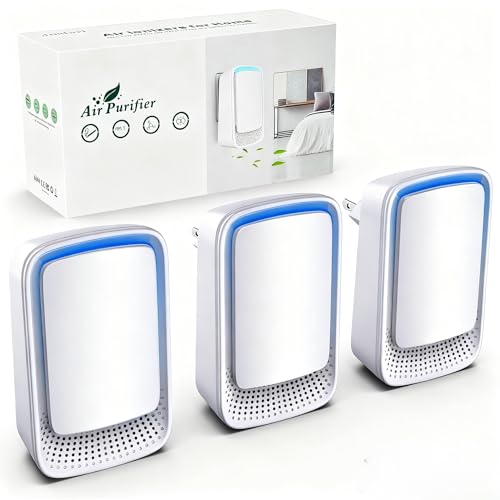
Air Ionizers for Home (3 Pack), Negative Ion Generator, Quiet Air Freshener for Bedroom, Office, Kitchen, Portable Air Filter Odor, Smoke Dust, Pets, Eliminator, Mini Air Cleaner
✨JOSTART air ionizers for home is small, lightweight, quiet and distraction free, plug and play free from installation…
As an affiliate, we earn on qualifying purchases.
As an affiliate, we earn on qualifying purchases.
Frequently Asked Questions
How Does Vape Aerosol Differ From Traditional Cigarette Smoke?
Vape aerosol differs from traditional cigarette smoke primarily in its chemical composition and aerosol particle size. While cigarette smoke contains thousands of harmful chemicals, vape aerosol typically includes fewer toxins, depending on the e-liquid used. Additionally, vape aerosol particles are often smaller, allowing them to disperse more quickly in the air. This difference can affect how both substances interact with your body and the environment, making it essential to understand their unique properties.
Can Pets Be Affected by Passive Vape Exposure?
Yes, pets can be affected by passive vape exposure. While some might think that the risks are minimal, it’s important to acknowledge that pets are sensitive to chemicals in vape aerosols. Their smaller bodies can lead to increased exposure risks, potentially impacting their health. Symptoms like coughing, lethargy, or gastrointestinal issues can arise. To protect your furry friends, it’s best to avoid vaping around them and ensure they breathe clean air.
What Are the Long-Term Effects of Passive Nicotine Exposure?
Long-term passive nicotine exposure can lead to serious health risks for both you and those around you. It can contribute to respiratory issues, cardiovascular diseases, and potential developmental problems in children. The biological impacts include increased heart rate and blood pressure, which may elevate the risk of chronic illnesses. You should be aware that even occasional exposure can have lasting effects, so minimizing contact is essential for everyone’s wellbeing.
Is Vaping Safer Around Children Than Smoking?
You can’t judge a book by its cover. While vaping might seem safer around children than smoking, health concerns still loom large. Secondhand vapor may contain harmful substances, and it’s vital to recognize that it’s not harmless. Even if it doesn’t smell like smoke, the potential risks to your kids’ health shouldn’t be overlooked. It’s always best to prioritize their safety and avoid exposing them to any form of nicotine.
How Can Families Reduce Exposure to Vape Aerosols?
To reduce exposure to vape aerosols, you should improve your home’s air quality. Start by designating smoke-free zones, ideally outdoors, away from windows and vents. Use air purifiers with HEPA filters to help capture particles. Encourage family members not to vape indoors, and keep windows open when possible to increase ventilation. Additionally, educate your family about the risks of aerosol exposure, fostering a healthier environment for everyone.

Nic-Out Cigarette Filters 3 Packs (90 Filters) Smoking Free Tar & Nicotine Disposable Nicout Holders for Smokers Don't Quit Smoking Nicfree
Nic Out cigarette filters 3 Packs = 90 Filters.
As an affiliate, we earn on qualifying purchases.
As an affiliate, we earn on qualifying purchases.
Conclusion
In summary, protecting your family from passive nicotine exposure is essential. Just like you wouldn’t let smoke from a campfire drift into your home, keeping vape aerosols at bay ensures a healthier environment for your loved ones. By being mindful of where and how you vape, you can create a safer space, free from the unseen dangers that linger in the air. Prioritize your family’s well-being, and take a stand against secondhand exposure.

LEVOIT Air Purifiers for Bedroom Home Dorm, AHAM Verified, 3-in-1 Filter Cleaner With Aroma Pad, Filters Smoke, Allergens, Pet Dander, Odor, Dust, Office, Desktop, Core Mini-P, White
𝗥𝗘𝗠𝗢𝗩𝗘 𝗣𝗢𝗟𝗟𝗨𝗧𝗔𝗡𝗧𝗦 𝗘𝗩𝗘𝗥𝗬𝗪𝗛𝗘𝗥𝗘: Our Pre-Filter and Main Filter capture allergens as lint, hair, pet dander, pet hair, fine…
As an affiliate, we earn on qualifying purchases.
As an affiliate, we earn on qualifying purchases.

Chemical Guys Odor Eliminating Fogger 3 Pack – New Car Smell, 3 Oz Each – Set-and-Forget System to Remove Smoke, Pet, Gym, and Food Odors in Cars, Trucks, SUVs
ELIMINATES ODORS AT THE SOURCE – Targets and removes embedded odors from cigarette smoke, pet hair, food spills,…
As an affiliate, we earn on qualifying purchases.
As an affiliate, we earn on qualifying purchases.