
TL;DR
A personal vaporizer pen is a handheld device that heats liquid, oil, or another material into an aerosol for inhalation; it does not produce harmless water vapor. Contents and risks vary, but nicotine can be addictive and vaping is not risk-free. Adults who smoke may reduce exposure to some toxic chemicals by switching completely to regulated nicotine vaping, while people who do not smoke should not start.
A vape pen can fit in your palm, but what comes out of it is more than water vapor. The device heats a liquid or another material into an aerosol—tiny droplets and particles you breathe in.
Here’s what personal vaporizer pens are, how they work, and what to check before you use or handle one. The details matter: a nicotine e-cigarette, a cannabis oil cartridge, and a disposable device can have different contents, rules, and risks.
A personal vaporizer pen heats liquid, oil, or another material into an aerosol—not harmless water vapor.
The device’s name and shape do not identify its contents; nicotine pens and cannabis oil cartridges can differ substantially.
For adults who smoke, completely switching to regulated nicotine vaping may reduce exposure to many toxic substances in cigarette smoke, but vaping still carri…
People who do not smoke should not start vaping, and nicotine liquids must stay away from children and pets.
Follow the maker’s battery instructions, avoid damaged devices, and check current local rules.
What a Personal Vaporizer Pen Actually Heats
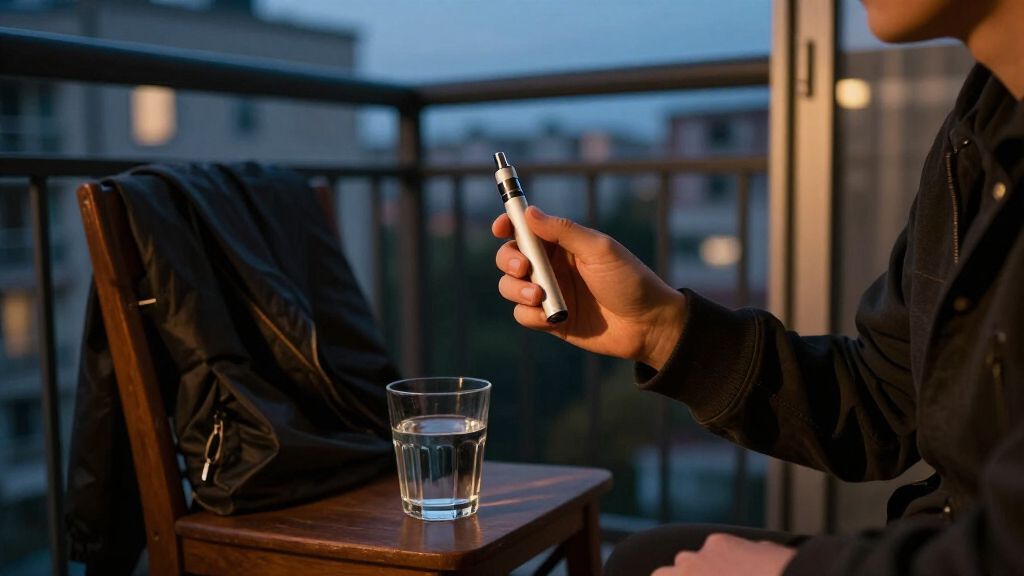
A personal vaporizer pen is a handheld device that heats a liquid or other material to create an aerosol for inhalation. Depending on its design, it may hold nicotine e-liquid, cannabis oil, or another substance, so the name alone does not tell you what is inside. That distinction matters because the substance, its concentration, and how it is regulated shape both the experience and the risks.
Most liquid-based pens use three parts: a battery, a heating element, and a cartridge or tank. Press a button or inhale, and the heater warms the contents; the fine cloud that appears is an aerosol, not just water in a mist. The battery supplies energy, while the heater’s temperature and the liquid’s composition affect what enters the aerosol. A device cannot make an unknown liquid predictable simply by heating it.
For example, one pen might use a refillable tank with e-liquid while another takes a sealed cannabis oil cartridge. Both may look like a slim metal tube, but their contents and rules can be very different. Refillable designs may let users choose a liquid or replace parts, but that flexibility makes it especially important to know what is being added and to follow device instructions. A sealed cartridge may limit handling of the liquid, yet its appearance still cannot establish what it contains or where it came from.
Why the Cloud Is Not Just Water Vapor
Personal vaporizer pens produce an aerosol that can contain more than water, including nicotine, fine particles, flavoring chemicals, and metals. What reaches your lungs depends on the product’s ingredients and design, as well as how you use it. Calling it “vapor” can make the cloud sound like harmless steam, but inhaling an aerosol brings its suspended droplets and particles into contact with the airways.
Common e-liquid ingredients include propylene glycol, vegetable glycerin, flavorings, and sometimes nicotine. Cannabis cartridges may heat oils or concentrates instead. A label offers clues, but products from unregulated sources may contain unexpected ingredients or fail to match their labels. That uncertainty is consequential: if you cannot verify the contents, you also cannot reliably judge what heating them may produce or how much of it you might inhale.
Think of the cloud as a small moving mixture, not a clean puff of steam from a kettle. Even a product labeled nicotine-free is not automatically harmless, because it may still expose you to aerosol constituents. The label addresses nicotine; it does not establish that every other ingredient or emission is safe to breathe.
A familiar flavor or a small device does not tell you what its aerosol contains.
How Pens Compare With Disposables and Cigarettes
Personal vaporizer pens are often reusable, while disposable vapes are generally thrown away after their liquid or battery runs out. Reusable devices can be recharged and refilled or fitted with a new cartridge; disposables package the battery and liquid together. The tradeoff is practical as well as health-related: reusable devices require users to manage charging, refilling, or cartridge replacement, while disposables may simplify use but create a device that must eventually be discarded. Neither format tells you which product is right for a particular person; the contents, local rules, and how the device gets used all matter.
For an adult who smokes, completely switching to regulated nicotine vaping may reduce exposure to many toxic substances found in cigarette smoke. That does not make vaping safe, and using both cigarettes and a vape can leave much of the harm from smoking in place. The key implication is that the potential reduction depends on replacing cigarettes, not merely adding a vape alongside them. It also depends on using a regulated product, since uncertain contents make comparisons harder.
Imagine someone replacing every cigarette with a regulated nicotine vape while getting help from a clinician. That is a different situation from a person who has never smoked picking up a flavored disposable. People who do not smoke should not start vaping. For someone who smokes, a clinician can help compare vaping with established quitting support and consider a plan that avoids ongoing dual use.
| Feature | Reusable pen | Disposable vape |
|---|---|---|
| Typical use | Recharged and refilled or fitted with a replaceable cartridge | Discarded when the battery or liquid runs out |
| What varies | Battery, tank or cartridge, and contents | Battery, liquid amount, and product design |
| Practical note | Follow the maker’s charging and care instructions | Local restrictions and disposal rules may apply |
Product designs and legal definitions vary, and rules for disposables, flavors, sales, and public use change by place. Check current local rules before buying or carrying one. Rules can affect whether a product may be sold or carried, while disposal requirements matter because vapes contain batteries and should not automatically be treated as ordinary household waste.
What the Health Evidence Means for You
Vaping is not risk-free, and the effects of decades of use are still being studied. Nicotine is addictive, can affect brain development in adolescents and young adults, and is a concern during pregnancy. Addiction can make stopping difficult, so a product’s short-term appeal should be weighed against the possibility of continued use. The limits in long-term evidence also mean that “less harmful than smoking” should not be mistaken for “safe.”
In 2019, a US outbreak of vaping-related lung injury was strongly linked to vitamin E acetate in certain THC products, particularly those from informal or illicit sources. That episode does not mean every vape product carries the same risk; it does show why unknown ingredients and unregulated supply deserve caution. The practical lesson is to distinguish a specific ingredient-related outbreak from the broader question of vaping risk: the outbreak points to serious danger from certain products, while other products still warrant care for different reasons.
If you already smoke and are considering a switch, a health professional can help you weigh regulated nicotine vaping against approved cessation treatments and behavioral support. Some adults use vaping to move away from cigarettes, but results vary with the person and product. The choice involves balancing a possible reduction in exposure to cigarette-smoke toxins against nicotine dependence and the uncertain long-term effects of vaping; support can help make the goal and next steps clear. Someone who feels unwell after vaping should stop using the product and seek medical advice for chest pain, shortness of breath, a persistent cough, or vomiting; severe trouble breathing calls for emergency care.
Four Practical Checks Before You Handle a Vape Pen
Personal vaporizer pens call for a few plain safety checks: know what the product is, handle its battery as directed, store liquids securely, and pay attention to symptoms. These checks address different hazards: unknown contents complicate health decisions, battery damage can create a fire or burn risk, and accessible nicotine liquid can poison children or pets. A pen that looks intact can still have contents or battery instructions worth checking.
- Check the product and source. Find out whether it is a nicotine e-cigarette, a cannabis cartridge, or something else; avoid products with unknown contents. Knowing the category helps you interpret the label and applicable rules, while a familiar brand name alone does not verify what is in a product.
- Follow the specified charging instructions. Use the charger and battery recommended by the maker, avoid damaged devices, and do not leave a battery charging unattended. Battery failures can cause fires or burns, though they are uncommon. Because the battery stores energy in a small device, damage or unsuitable charging equipment can turn a routine task into a safety issue.
- Keep liquids and devices away from children and pets. Nicotine liquid can poison someone if swallowed or absorbed through the skin. Secure storage matters even when a container seems closed, since an accidental exposure can happen before an adult notices a spill or leak.
- Stop if you feel ill. Get medical advice for concerning symptoms after vaping; seek emergency care for severe breathing difficulty. Stopping use prevents further exposure while you assess what happened, and urgent breathing symptoms should not wait for a routine appointment.
For instance, if a device has a cracked casing or a damaged battery, do not charge it just to see whether it still works. Battery life and cartridge duration also have no universal schedule: capacity, liquid amount, temperature, and frequency of use all play a part. A device that seems to last longer or shorter than expected does not, by itself, prove that its contents are safe or unsafe; follow the manufacturer’s guidance and replace or dispose of it as directed.
Frequently Asked Questions
Does a vape pen produce water vapor?
No. A vape pen produces an aerosol made of tiny droplets and particles, which may include nicotine and other chemicals. Its contents depend on the product.
Are vape pens safer than cigarettes?
For adults who smoke, completely switching to regulated nicotine vaping may reduce exposure to many toxic substances found in cigarette smoke. Vaping still has risks, and it is not recommended for people who do not smoke.
Can vaping help someone quit smoking?
Some adults use nicotine vaping to move away from cigarettes, and it may help some people quit, but results depend on the person and product. Behavioral support and approved cessation treatments are other options to discuss with a health professional.
What should I do if someone feels ill after vaping?
Stop using the product and seek medical advice for chest pain, shortness of breath, a persistent cough, or vomiting. Severe breathing difficulty needs emergency care.
Conclusion
Remember the key facts for using or discussing personal vaporizer pens: what they heat, where the contents come from, and who uses them matter more than the sleek shell. If you do not smoke, do not start; if you already smoke and are weighing a switch, talk it through with a health professional.
A small pen can leave a cloud that travels far beyond your hand—so know what’s inside before you breathe it in.
Fall Picks
fall essentials
As an affiliate, we earn on qualifying purchases.