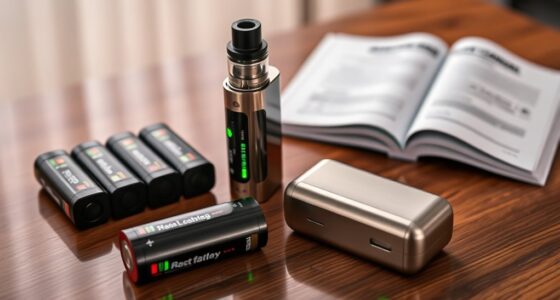


When it comes to vape coil types, each material offers unique benefits. Kanthal’s durability suits standard vaping; stainless steel works in both wattage and temperature control. If you’re into sub-ohm vaping, low-resistance coils produce massive clouds, while high-resistance coils deliver a tighter draw for mouth-to-lung inhales. Understanding these differences can enhance your flavor and vapor experience. Explore how each choice aligns with your vaping style to find the ideal setup for you.
Key Takeaways
- Common Coil Materials: Kanthal, stainless steel, nickel, and titanium each offer unique benefits affecting flavor, vapor, and device compatibility.
- Resistance Levels: Low resistance (<1.0 ohm) is best for sub-ohm vaping, while high resistance (>1.0 ohm) suits mouth-to-lung vaping.
- Heating Properties: Coil material and resistance impact heating speed, flavor profile, and vapor output, guiding choices based on vaping preferences.
- Temperature Control: Nickel and titanium excel in precise temperature regulation, enhancing flavor and vapor consistency for temperature-controlled devices.
- Personal Experimentation: Trying different coil types and resistances is essential for discovering the ideal balance of vapor production and flavor preference.

When you’re exploring the world of vaping, understanding the different vape coil types can greatly enhance your experience. The right coil can make all the difference in flavor, vapor production, and overall satisfaction. There are a variety of coil materials and resistances to consider, and knowing how they affect your vaping can help you make informed choices.
One of the first things you’ll encounter is the coil material. Common options include kanthal, stainless steel, nickel, and titanium. Each material has its unique properties that affect your vaping experience. For instance, kanthal is popular for its durability and heat retention, making it suitable for standard wattage vaping. On the other hand, stainless steel is versatile; it can be used for temperature control and wattage modes, giving you flexibility. If you prefer a smoother, cooler vape, nickel and titanium are great choices for temperature control enthusiasts, as they provide precise heating and can enhance flavor profiles.
Coil materials like kanthal, stainless steel, nickel, and titanium each offer unique benefits that enhance your vaping experience.
Next, let’s talk about coil resistance. The resistance of a coil, measured in ohms, plays a pivotal role in the way you vape. Lower resistance coils (typically below 1.0 ohm) are best for sub-ohm vaping. They produce larger vapor clouds and deliver intense flavor, making them ideal for those who enjoy direct lung inhales. Higher resistance coils (above 1.0 ohm) are more suited for mouth-to-lung vaping, mimicking the sensation of smoking traditional cigarettes. These coils often provide a tighter draw and are perfect for those who prefer a more discreet vaping experience.
Understanding the relationship between coil material and resistance is essential. For example, if you use a stainless steel coil at a lower resistance, you can achieve a rapid ramp-up time, allowing for quick hits. Conversely, a higher resistance kanthal coil might require more power but delivers a more flavorful experience at a lower wattage.
Choosing the right coil depends on your personal preferences and vaping style. If you’re after massive clouds, opt for lower resistance coils paired with suitable materials. If flavor is your priority, you might want to experiment with different materials and higher resistance options. Ultimately, experimenting with various coil types will help you discover what works best for you. By understanding coil materials and resistances, you’ll elevate your vaping journey and find the ideal setup for your needs. Additionally, knowing how the bond between father and daughter can enrich personal experiences may inspire you to share your vaping journey with loved ones.
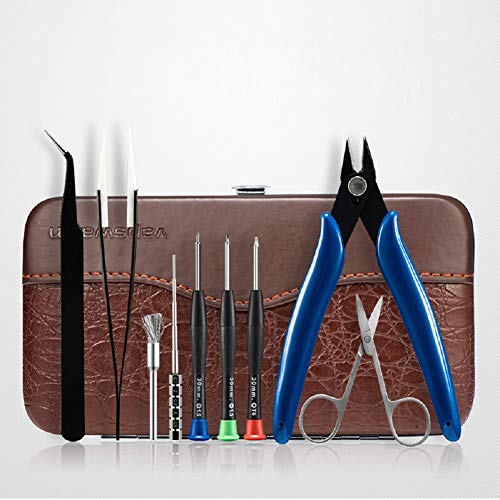
DIY tool kit set for Home Repairs,9 in 1 Coil Building Tool Kit Including Scissors, Screwdriver, Ceramic Tweezers with Leather case
all the tools are made by superior stainless steel, heat treated and chrome plated to resist corrosion. Safe…
As an affiliate, we earn on qualifying purchases.
As an affiliate, we earn on qualifying purchases.
Frequently Asked Questions
How Often Should I Replace My Vape Coil?
You should replace your vape coil every one to three weeks, depending on your usage and the coil lifespan. If you notice a burnt taste or decreased flavor, it’s a sign to change it sooner. Regular coil maintenance, like cleaning or priming, can extend its life, but don’t rely on it too much. Keeping an eye on your coil’s performance will help guarantee you get the best vaping experience possible.
Can I Use Different Coils in the Same Device?
Think of your vape device as a musical instrument; not every string fits every guitar. You can use different coils in the same device, but coil compatibility is key. Check your device’s specifications to guarantee the coils you choose match its requirements. This versatility lets you experiment with different vaping experiences, but mixing incompatible coils could lead to poor performance or damage. Always play it safe to keep your vaping experience harmonious!
What Is the Best Coil for Beginners?
The best coil for beginners is usually a kanthal coil with a moderate resistance, around 1.0 to 1.5 ohms. This combination provides a good balance of flavor and vapor production without being too complicated. Kanthal’s easy-to-use properties make it ideal for new vapers. Avoid sub-ohm coils initially, as they require more experience and knowledge about coil materials and wattage settings. Stick to simple setups to make sure a smoother vaping experience as you get started.
Do Different Coils Affect Flavor Differently?
Yes, different coils definitely affect flavor. In fact, studies show that users notice a 30% difference in flavor intensity between various coil types. Your choice of coil can enhance or mute flavors, impacting your overall vaping experience. Higher-wattage coils often provide better coil performance, allowing for richer, bolder flavors. So, if you’re exploring flavors, consider experimenting with different coils to discover which ones elevate your vaping journey the most.
How Do I Know When My Coil Is Burnt Out?
You’ll know your coil’s burnt out when you notice a harsh, burnt taste or a decrease in vapor production. These burnt coil signs often indicate a shortened coil lifespan. If you see discoloration or a dark residue on the coil, that’s another warning. Regularly check your coil, and if you experience these issues, it’s time to replace it. Keeping an eye on your vaping experience will help you avoid that unpleasant flavor.
Vape Zone Vaper Skull – Sub-Ohm Coil Vape Streetwear T-Shirt
Vape zone. Vape Nice. Are you a passionate vaper? Then there is the ultimate vaper skull Sub-Ohm design!…
As an affiliate, we earn on qualifying purchases.
As an affiliate, we earn on qualifying purchases.
Conclusion
In summary, understanding the different vape coil types can considerably enhance your vaping experience. You might think choosing a coil is overwhelming, but it’s all about finding what suits your style. Whether you prefer clouds or flavor, there’s a coil designed for you. Experimenting with various types can lead to new discoveries and satisfaction. So, don’t hesitate—dive in and explore the world of coils, and you’ll find the perfect fit for your vaping journey!

Just one more mod i promise – Vape Zone Coil Vaperwear Vape T-Shirt
You are a Vaper with passion? Then there is the ultimate Vape shirt or Hoodie Vape Zone theme…
As an affiliate, we earn on qualifying purchases.
As an affiliate, we earn on qualifying purchases.

WIREOPTIM Kanthal A1 Resistance Wire 18 AWG – 250 Feet
Kanthal A-1 (22% Cr, 5.8% Al, Fe balance)
As an affiliate, we earn on qualifying purchases.
As an affiliate, we earn on qualifying purchases.