


Nicotine withdrawal can hit hard, causing intense cravings, irritability, and trouble sleeping. You might find it tough to concentrate and face emotional challenges, too. To cope, try deep breathing, keep your hands busy, and avoid triggers for your cravings. Engaging in activities, like exercise or mindfulness, can boost your mood. Remember to lean on your support system and celebrate your progress. There are more strategies to help you through this journey that you might find useful.
Key Takeaways
- Common withdrawal symptoms include intense cravings, irritability, sleep disturbances, concentration difficulties, and physical discomfort.
- Manage cravings with deep breathing, keeping hands busy, and engaging in distracting activities.
- Recognize and avoid triggers that prompt the urge to smoke to reduce cravings.
- Incorporate relaxation techniques like yoga and mindfulness meditation to support emotional well-being.
- Seek support from friends or family and celebrate small victories to maintain motivation and commitment to a smoke-free life.
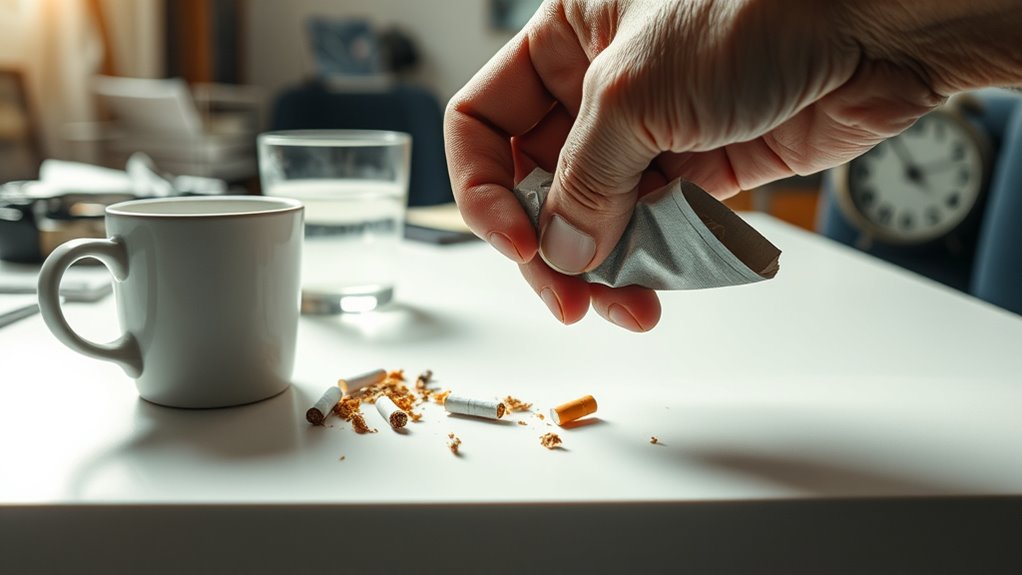
Have you ever wondered what happens to your body when you quit smoking? The moment you stop inhaling nicotine, your body starts a remarkable journey toward healing. Within hours, your heart rate and blood pressure begin to drop, and carbon monoxide levels in your blood return to normal. However, as your body adjusts to life without cigarettes, you’ll likely encounter nicotine withdrawal symptoms that can be challenging to manage. Understanding these symptoms and having a plan for cravings management can make a world of difference.
One of the most common experiences during withdrawal is intense cravings. These cravings can hit at any time, often triggered by specific situations or feelings. You might find yourself longing for a cigarette during a stressful moment or while enjoying your morning coffee. To combat these cravings, it’s essential to have strategies in place. Engaging in cravings management techniques can help you navigate these tough times. For instance, practicing deep breathing exercises or keeping your hands busy with a stress ball can redirect your focus.
Intense cravings during withdrawal can be challenging, but effective strategies like deep breathing and stress balls can help you stay focused.
Alternative therapies can also play a crucial role in managing cravings. Techniques like acupuncture, yoga, or mindfulness meditation can promote relaxation and reduce anxiety, making it easier to cope with the urge to smoke. You may also consider herbal remedies or supplements that some people find helpful. Remember, what works for one person might not work for another, so be open to trying different options until you find what suits you best. Additionally, incorporating sustainable practices into your lifestyle can enhance your overall well-being during this transition.
As the days turn into weeks, you’ll notice the withdrawal symptoms gradually easing. You might experience irritability, trouble sleeping, or difficulty concentrating, but these feelings are a natural part of the quitting process. Staying active can help manage these symptoms—regular exercise releases endorphins that boost your mood and energy levels. You’ll also want to surround yourself with supportive friends or family who can encourage you on this path.
Quitting smoking is a challenging but achievable goal. By understanding the withdrawal symptoms and implementing effective cravings management techniques, you’re setting yourself up for success. Embrace alternative therapies, stay active, and seek support. With each passing day, you’re one step closer to a healthier, smoke-free life. Keep reminding yourself why you started this journey, and celebrate the small victories along the way. You’ve got this!
Top picks for "nicotine withdrawal symptom"
As an affiliate, we earn on qualifying purchases.
Frequently Asked Questions
How Long Does Nicotine Withdrawal Typically Last?
Nicotine withdrawal typically lasts about two to four weeks, but the timeline can vary for each person. You might experience the most intense symptoms during the first week, with a gradual decrease in intensity afterward. Symptoms can linger, though, sometimes lasting up to a few months. It’s important to remember that everyone’s experience is different, so your symptom duration may differ from someone else’s. Stay strong, and be patient with yourself during this time.
Can I Gain Weight During Nicotine Withdrawal?
Yes, you can gain weight during nicotine withdrawal due to appetite changes. When you quit, your body might crave food more, leading to increased snacking. But don’t worry; you can counteract this by staying active. Incorporating regular exercise not only helps manage weight but also boosts your mood and energy levels. So, focus on healthy habits, and you’ll find a balance while steering through this challenging time.
Is Nicotine Replacement Therapy Effective for Withdrawal Symptoms?
Yes, nicotine replacement therapy is effective for managing withdrawal symptoms. It provides your body with a lower dose of nicotine, easing cravings and discomfort. When combined with behavioral therapy, you’re more likely to succeed in your quit journey. Medication options, like bupropion or varenicline, can also enhance your chances by targeting withdrawal effects. Remember, finding the right combination of therapies can make a significant difference in your experience.
Are There Any Natural Remedies for Nicotine Withdrawal?
Like a gust of fresh air, you can explore natural remedies for nicotine withdrawal. Herbal remedies such as lobelia and St. John’s Wort might help ease your cravings, while dietary supplements like vitamin C and magnesium can support your body during this changeover. Staying hydrated and incorporating a balanced diet can further boost your mood and energy levels. Remember, everyone’s journey is unique, so find what works best for you!
Will My Mood Swings Improve After Withdrawal?
Yes, your mood swings will likely improve after withdrawal. As your body adjusts to the absence of nicotine, you’ll build emotional resilience, allowing for better mood stabilization. It might take time, but many experience a gradual return to emotional balance. Engaging in healthy activities, connecting with supportive people, and practicing stress-relief techniques can help speed up this process. Stay patient, and you’ll find yourself feeling more stable and grounded.
Conclusion
In summary, dealing with nicotine withdrawal can be tough, but you’re not alone. Did you know that nearly 70% of smokers want to quit? This shows that many people share your struggle. Remember, it’s okay to seek support and explore coping strategies. Each day without nicotine is a step toward better health, and you’ve got the strength to overcome this challenge. Stay focused on your goals, and celebrate your progress along the way!